
Pinch Blepharoplasty: for several years now, I have noticed that my patients come to see me with a recurring concern: they feel tired and aged by their eyes, when in fact they are not really. The bags under their eyes and drooping eyelids reflect an image that does not match their inner energy.
The good news is that there is now a technique that perfectly meets this demand for a natural result: pinch blepharoplasty. This eyelid surgery approach in Paris allows us to treat these signs of fatigue with remarkable effectiveness, while preserving the natural expression of the gaze. Studies show that more than 80% of patients undergoing blepharoplasty report a significant improvement in their self-confidence as early as the first weeks following the procedure.
Pinch blepharoplasty, also called pinch blepharoplasty, represents a major advancement in the field of oculoplastic surgery.
Unlike the traditional technique that requires a larger incision, this minimally invasive eyelid method involves gently pinching the excess skin on the upper or lower eyelids, without affecting the deep muscular structures. The procedure typically lasts between 45 minutes and an hour, and can be performed under deep local anesthesia on an outpatient basis. This gentle approach considerably reduces the risk of a fixed or overly modified appearance, which my patients fear so much.
As a surgeon specializing in eye surgery for over twenty years, I perform this technique with a simple philosophy: your gaze should remain yours, just refreshed. Each eyelid is unique, which is precisely why I take the time to understand your expectations during our first consultation.
My role is to explain precisely what pinch blepharoplasty can achieve, but also its limitations, so that you can make an informed decision with full confidence. The preliminary consultation is the time when we will establish together the treatment plan best suited to your anatomy and your personal goals.
What is pinch blepharoplasty?
Pinch blepharoplasty is an eyelid surgery technique that uses the pinch principle to correct excess skin and under-eye bags.
Unlike classical blepharoplasty which requires an incision along the eyelid margin, this mini-invasive approach treats only the excess skin through targeted pinching. The surgeon removes a thin strip of skin, generally between 2 and 4 millimeters, depending on the degree of skin laxity. This precise procedure addresses drooping eyelids while preserving the natural structure of the gaze.
Definition and principle of the pinch
The term “pinch” literally means pinching in English, and this is exactly what the surgeon does: he pinches the excess skin to remove it in a localized manner. This technique is primarily indicated for patients presenting moderate skin laxity of the upper or lower eyelids, without significant fat excess.
The pinch principle offers several advantages compared to traditional methods: the scar is nearly invisible as it lies within the natural crease of the eyelid, operative time is reduced, and recovery is generally faster. This approach is among the most requested mini-invasive eyelid solutions in Parisian aesthetic surgery.
The procedure is performed under local anesthesia most often, with an estimated duration of 30 to 45 minutes per eyelid.
The surgeon first marks the area of skin to be removed, then performs a controlled pinch which he excises before closing with very fine sutures. Results are visible once the initial edema subsides, approximately one week after the procedure.
Main indications
Pinch blepharoplasty is particularly suitable for patients presenting mild to moderate drooping eyelids, with good skin elasticity. It is ideal for treating under-eye bags due to excess skin rather than fat protrusion.
This technique also meets the requests of patients seeking a natural result without an “operated” appearance. In eyelid surgery in Paris, it represents a preferred option for individuals aged 40 to 60 presenting early signs of eyelid aging without indication for complete blepharoplasty.
Ideal candidates are those whose skin laxity is moderate enough to be corrected by simple pinching, without requiring treatment of the muscle or fat.
A thorough consultation with the surgeon will determine if this approach matches your morphology and expectations. This method allows for a refreshed and natural appearance with a light procedure, while avoiding the risks associated with more extensive surgery.
Pinch blepharoplasty vs classic blepharoplasty: the essential differences
Eyelid surgery aims to correct drooping eyelids and under-eye bags, but the surgical approaches differ significantly depending on each patient’s needs. Understanding these differences will help you identify which technique best suits your situation.
Traditional technique
Classic blepharoplasty involves removing excess skin and fat from the upper and/or lower eyelids through a Longeron incision, meaning in the natural crease of the eyelid. For under-eye bags, the incision is placed just below the eyelashes, providing direct access to the fatty hernias.
This technique is particularly suitable for patients with significant skin laxity and pronounced bags. The procedure typically lasts between one and two hours and usually requires general or local-regional anesthesia. Full recovery takes between seven and ten days, with suture removal around the fifth day. Results are long-lasting, often for more than ten years.
Pinch technique
Pinch blepharoplasty, also called pinch blepharoplasty, represents a much gentler approach. It involves gently pinching the excess skin to remove it in a targeted manner, without affecting deep structures or muscles.
This technique is primarily intended for patients with mild to moderate skin laxity, without significant fatty hernia. The procedure is performed under local anesthesia only, which eliminates the risks associated with general anesthesia. The duration is significantly reduced, between thirty and forty-five minutes for all four eyelids. Thanks to this minimally invasive eyelid approach, tissues are preserved to the maximum extent.
Comparative advantages
The main advantage of pinch blepharoplasty lies in its extremely rapid recovery. You can resume your daily activities as early as the third day following the procedure, compared to a week or more for the classic technique. The absence of general anesthesia represents a major advantage for patients wishing to avoid this type of procedure.
Bruising and swelling are considerably reduced, and the scars, which are tiny, become nearly invisible after a few weeks. However, the pinch technique is not suitable for complex cases where muscle repositioning or significant fat excision is required. Your surgeon will evaluate during the consultation the solution best suited to your anatomy and expectations, whether it be eyelid surgery in Paris or at any other specialized center.
Ideal Candidates for Pinch Blepharoplasty
Patient Profile
Pinch blepharoplasty is primarily indicated for patients presenting with moderate skin excess of the upper or lower eyelids, without significant fat herniation.
This pinch blepharoplasty technique is particularly suitable for individuals aged 40 to 65 who wish to correct drooping eyelids or under-eye bags without undergoing a major surgical procedure. The ideal candidate presents good skin elasticity and realistic expectations regarding the outcome. Performed under local anesthesia, the procedure lasts approximately 30 to 45 minutes, making it a popular option for patients seeking a quick eyelid surgery with reduced recovery time.
Contraindications
Certain patients are not good candidates for this procedure. Individuals presenting with severe ptosis (significant drooping of the levator muscle) would rather require a classic blepharoplasty with muscle resection.
Patients with active eye conditions, such as severe dry eye syndrome or infections, must postpone the procedure. Chronic smokers also present an increased risk of scarring complications. Finally, this technique is not suitable for patients with excessive skin excess, as the pinch method would not effectively treat pronounced signs of aging.
Appropriate Cases
Pinch blepharoplasty constitutes an excellent option for patients presenting with early signs of eyelid aging: slight sagging of the upper eyelid skin creating a tired appearance, or small fat herniation under the eyes causing transient bags.
It is also suitable for individuals who have previously undergone classic blepharoplasty and require a minor touch-up several years later. This minimally invasive eyelid approach also appeals to busy patients, as postoperative bruising and swelling are generally moderate, allowing a return to social activities within one week in the majority of cases.
Procedure of Pinch Blepharoplasty
Preoperative Consultation
Before any procedure, you will meet your surgeon during a dedicated consultation. This step ensures that pinch blepharoplasty is well suited to your situation.
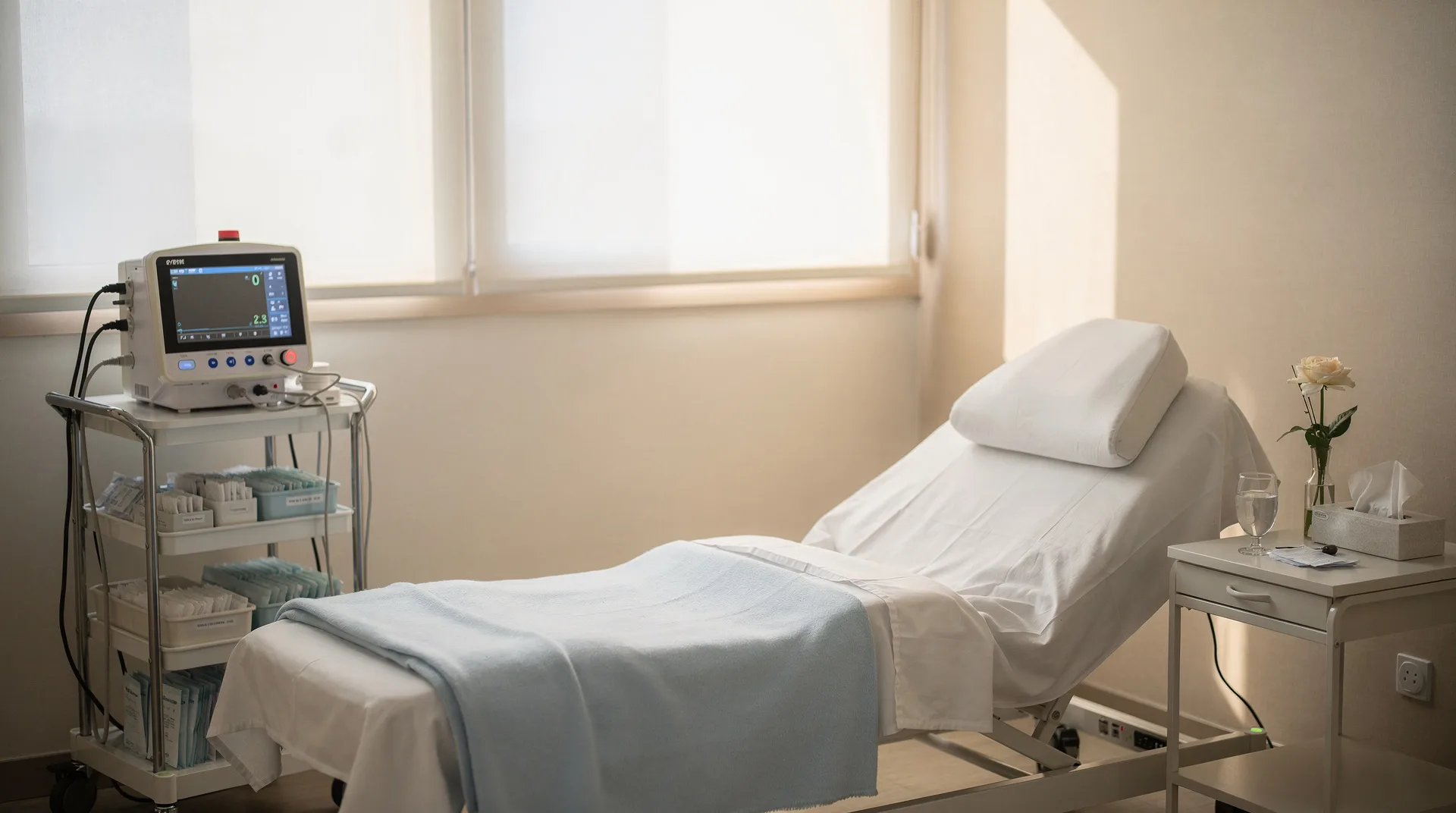
The practitioner examines your eyelids, evaluates your skin elasticity, and discusses your expectations. A simple ophthalmologic examination may complete the assessment to ensure no contraindications exist. This is also the time to ask all your questions and receive preoperative instructions, such as avoiding certain medications several days before.
The Procedure Itself
Pinch blepharoplasty is performed on an outpatient basis, most often under local anesthesia. This eyelid surgery technique allows for treatment of under-eye bags and drooping eyelids with a minimally invasive approach.
The surgeon performs a fine pinch of the excess skin, without long incisions or muscle resection. This tissue-preserving method limits the risk of round eyes and allows for a very natural result. Each eyelid is treated with precision, adapting the technique to your anatomy. The procedure concludes with the application of thin, transparent dressings.
Duration of the Operation
The duration of the procedure generally varies between 30 and 45 minutes for all four eyelids. It is shorter than classic blepharoplasty because the surgical gesture is lighter.
You may return home immediately after the procedure, accompanied if possible. The surgeon explains the care to be performed in the following days and schedules a follow-up appointment. This rapid recovery is one of the major advantages of this minimally invasive approach for the eyelids.
Post-operative care and recovery after pinch blepharoplasty
The first few days
The immediate aftermath of pinch blepharoplasty is generally well tolerated thanks to the minimally invasive nature of this eyelid surgery technique. You may experience a slight pulling sensation in the eyelids, sometimes some discreet bruising that fades within 5 to 7 days. The eyes may be slightly watery during the first few days, which is completely normal.
We recommend applying cold compresses during the first 48 hours to reduce swelling. Your surgeon will prescribe a hydrating eye drop to use several times a day to protect your eyes. The first dressing is typically removed the day after the procedure. Most patients describe the discomfort as minimal, comparable to eye fatigue after a long day in front of a screen.
Recovery
Recovery after pinch blepharoplasty is significantly shorter than after traditional blepharoplasty. Most patients can resume light activities by the third day following the procedure. Returning to work is generally possible after one week, depending on the nature of your professional activity.
Intense physical activities should be avoided for approximately two weeks. The scars, located in the upper eyelid crease or just below the lower eyelashes, become nearly invisible after a few weeks. It is normal for the eyelids to feel slightly “stiff” during the first few days; this sensation gradually disappears. Your surgeon will schedule a follow-up visit around day 10 to verify proper healing.
Recovery tips
To optimize your recovery, a few simple precautions make the difference. Sleep with your head slightly elevated during the first few days to minimize swelling. Avoid bending forward and lifting heavy objects for one week. Sunglasses are your allies during outings; they protect from wind and sun while concealing any remaining bruising.
Make sure to avoid eye makeup for at least one week. Sports activities can gradually resume after 15 days. Swimming pools and saunas should be avoided for three weeks. If you experience persistent discomfort or any problems, do not hesitate to contact your surgeon. Full recovery, with definitive results, is typically visible after one to two months when the tissues have fully stabilized.
Pinch Blepharoplasty Results: Before/After and Durability
Immediate Result vs Final Result
From the first days following the procedure, you will notice a visible improvement in your eyelids. However, the final result of pinch blepharoplasty requires some patience. The tissues need time to heal and settle naturally. Generally, the final result can be fully appreciated after 2 to 3 months.
During this period, the traces of the procedure gradually fade and your eyelids return to a natural appearance. Pinch blepharoplasty allows for a more refreshed and open gaze, without a frozen or artificial look. Before/after photographs typically show a significant reduction in excess skin and a smoothing of the lower eyelid area.
Durability of the Effects
The effects of pinch blepharoplasty are long-lasting. According to studies and surgeons’ clinical experience, results typically persist for an average of 5 to 10 years.
This longevity depends on several individual factors: your skin quality, your age at the time of the procedure, your lifestyle, and your daily care. Contrary to some misconceptions, this minimally invasive eyelid technique does not stop natural aging, but allows you to turn back time significantly. Under-eye bags and drooping eyelids are treated durably, although the aging process then resumes its normal course.
Maintenance
To preserve your results for as long as possible, certain simple practices are recommended. Daily sun protection is essential to protect the delicate skin of the eyelids.
Maintaining good hydration and adopting an appropriate skincare routine also contribute to the longevity of the result. Follow-up consultations with your surgeon allow us to assess the progression and intervene if necessary. A healthy lifestyle, with adequate sleep and a balanced diet, also helps preserve the effects over time.
Risks, Complications, and Cost of Pinch Blepharoplasty
Risks and Complications
Pinch blepharoplasty is considered a minimally invasive eyelid surgery technique, which means that the risks are generally lower than with traditional blepharoplasty. However, any procedure carries some risk. Possible complications include bruising and temporary swelling around the eyes, which typically resolve within one to two weeks.
In rare cases, eyelid asymmetry may occur or healing may require a touch-up procedure. Infections are extremely rare thanks to the sterile conditions of the operating room. You can reduce risks by carefully following your surgeon’s pre and post-operative recommendations. During your consultation, please feel free to ask any questions about potential complications: a good practitioner should clearly explain the benefits and risks of this procedure.
Price and Cost in France
The price of pinch blepharoplasty varies depending on several parameters, but in France, it generally ranges between 1500 euros and 3500 euros for both eyelids. This fee includes the surgeon’s fees, operating room costs, and anesthesia.
Since each patient presents a different situation, only a personalized quote established during the consultation can provide the exact cost of your procedure. As pinch blepharoplasty is often performed under local anesthesia, anesthesia costs may be lower than for procedures requiring general anesthesia.
Price Factors
Several factors influence the final cost of your pinch blepharoplasty. The surgeon’s experience and reputation play an important role: an experienced practitioner may charge higher fees, but this typically results in a safer and more natural outcome.
Geographic location also matters: eyelid surgery performed in Paris or a major city may be slightly more expensive than in smaller cities. The type of anesthesia chosen, the complexity of your case, and any clinic fees also add to the overall price. For under-eye bags or drooping eyelids, pinch blepharoplasty often offers excellent value thanks to its quick recovery and limited risks.
Frequently Asked Questions about Pinch Blepharoplasty
Q: What exactly is pinch blepharoplasty?
Pinch blepharoplasty, also called pinch blepharoplasty, is an eyelid surgery technique that corrects excess skin of the upper eyelids through a simple pinch, without affecting the muscles or fat.
Unlike traditional blepharoplasty, this minimally invasive approach is suitable for patients with slight skin excess without fatty herniation. The procedure is performed on an outpatient basis under local anesthesia and takes approximately 30 to 45 minutes.
Q: Who is a good candidate for this procedure?
This eyelid surgery is indicated for individuals with mild to moderate drooping eyelids, with excess skin that creates a tired appearance.
This is a preferred option for patients seeking a subtle correction without the more extensive recovery associated with traditional blepharoplasty. A clinical examination during your consultation will confirm whether your eyelids meet the anatomical criteria suitable for this technique.
Q: How long is the recovery period?
Post-operative recovery is generally straightforward: mild swelling and some bruising for 5 to 7 days is normal.
Most patients resume their daily activities after 48 to 72 hours of rest. If sutures are used, they are typically removed around day 5. The final result can be appreciated after 2 to 3 months, once the scar tissue has fully matured.
Q: What are the possible risks and complications?
As with any surgery, pinch blepharoplasty carries some risks, which are generally minimal thanks to the simplicity of the technique.
Possible complications include: infection (rare, less than 1% of cases), hematoma, temporary asymmetry, or tearing for a few days. Your surgeon will provide you with specific post-operative instructions to minimize these risks. The follow-up consultation allows us to verify proper healing.
Q: What is the cost of pinch blepharoplasty in Paris?
The average cost of pinch blepharoplasty in France generally ranges between 1,500 and 2,500 euros, depending on the complexity and the practitioner’s reputation.
In Paris, prices often fall within this higher range. This amount includes the pre-operative consultation, the procedure, and post-operative follow-up. A personalized quote will be provided during your consultation, as the cost depends on your individual anatomical situation.
Conclusion
Pinch blepharoplasty represents an elegant and suitable solution for correcting under-eye bags and drooping eyelids without major surgery.
This pinch blepharoplasty technique offers natural results with simple post-operative recovery, which explains its growing success in eyelid surgery in Paris.
If you are considering this procedure, the initial consultation will allow the surgeon to evaluate your situation and guide you toward the most appropriate approach. Each patient has unique needs, and the choice of technique will be guided by your morphology and expectations.
The advantages of this minimally invasive approach are numerous: discreet scars, quick recovery, and a subtle result that preserves your authentic gaze. This intervention can transform your appearance while respecting the harmony of your face.
Do not hesitate to take the step by scheduling a personalized consultation. The surgeon will be able to answer all your questions and guide you toward a more refreshed and rested look, with complete confidence.
Important information:The information contained in this article does not constitute medical advice and does not replace a consultation with a qualified healthcare professional. The results presented are indicative and may vary for each patient. A prior medical consultation is essential to evaluate your personal situation.
To learn more, also consult Blepharoplasty: Eyelid Surgery and Surgery for Under-Eye Bags.
This article was written by the team of Dr Bernard Hayot, surgeon and former Head of Clinical Department in Ophthalmology, specialist in oculo-plastic surgery in Paris. The information presented comes from recognized medical sources (HAS, PubMed) and is regularly updated. Last updated: March 2026.
0 Comments