
Malar Bag Surgery: when you look in the mirror in the morning, these bags under your eyes reflect an image you do not truly recognize. You feel rested, but your eyes tell a different story. These fat hernias that form under your lower eyelids make you look exhausted, yet you sleep properly.
I encounter this situation daily in my Paris practice. In reality, malar bags affect nearly 40% of patients who consult for tired eyes, and many have tried for years using creams, massages, and natural remedies without lasting results. The good news is that there is an effective and durable surgical solution to permanently correct these bags.
As an oculoplastic surgeon, former Chief of Clinic, I have specialized in eyelid surgery for over fifteen years. Malar bag surgery involves removing or redistributing the fat hernias that accumulate under the eyes, often related to natural aging or genetic predisposition.
This malar bag surgery procedure is not only about aesthetics: it can also improve your visual field if the eyelids are very heavy. During your first consultation, I examine your facial structure, your skin type, and we discuss your realistic expectations together. Each patient is unique, which is why I refuse any standardized approach.
The malar bag surgery procedure that I perform in Paris is generally done under deep local anesthesia or light general anesthesia, depending on your comfort and preferences. The procedure takes between 45 minutes and one hour and thirty minutes. The incision, perfectly hidden just under the eyelashes or inside the eyelid, leaves a virtually invisible scar.
Many of my patients are surprised by how quick the procedure is and the minimal post-operative discomfort. The recovery is straightforward: slight swelling and some bruising for about a week, but you will be able to resume your normal activities within seven to ten days. My team and I remain available at any time to answer your questions before and after the operation.
Understanding Malar Bags and Their Causes
What is a Malar Bag?
The malar bag corresponds to an accumulation of adipose tissue under the skin of the middle part of the cheek, just beneath the cheekbone.
Unlike simple wrinkles or fine lines, this is a true fatty deposit that creates a visible relief, often described as a “buoy” or “swelling” on the side of the face. This change generally occurs with aging, but can also appear earlier in some individuals, particularly in cases of family predisposition or hormonal changes.
Patients who consult for this concern often describe a tired face appearance, meaning a fatigued look despite getting enough sleep.
The malar bag casts a shadow that accentuates this impression of tiredness. During the consultation, the surgeon evaluates skin elasticity, the volume of the bag, and the overall harmony of the face to propose a personalized treatment approach.
Difference from Other Types of Bags Under the Eyes
It is essential to distinguish the malar bag from other ocular bags. Classic under-eye bags, also called “orbital bags,” are located directly under the lower eyelid, near the eyelash margin.
The malar bag, on the other hand, is situated lower, on the cheekbone, and sometimes extends toward the temple. Their origin also differs: orbital bags often result from orbital fat herniation, whereas malar bags correspond to malar fat migration or an accumulation of adipose tissue in this specific area.
This distinction is fundamental for adapting the surgical treatment.
An experienced surgeon easily differentiates these two entities during the clinical examination, which allows avoiding a therapeutic error. Surgical treatment of malar bags requires a specific approach, different from that used for classic under-eye bags.
Causes and Contributing Factors
The development of malar bags is based on several combined mechanisms.
Loosening of the supporting ligamentous tissues is one of the main factors: over the years, the ligaments that hold the fat in place weaken, allowing adipose tissue to migrate downward. Loss of bone and muscle volume in the cheek area then accentuates this phenomenon, giving the bag a more pronounced appearance.
Certain factors accelerate the appearance of malar bags. Smoking is among the most significant, as it impairs collagen quality and reduces skin vascularization. Excessive and repeated sun exposure also promotes premature aging of the tissues.
Significant weight fluctuations, in either direction, alter the distribution of fat masses and can reveal or worsen a pre-existing bag. Finally, genetic predisposition plays a considerable role: some families exhibit this characteristic earlier and more prominently.
Malar bag surgery allows for permanent correction of these fatty accumulations through an approach tailored to each patient. Removal of malar bags is generally performed through an incision hidden in the conjunctiva or inside the lower eyelid, thus avoiding any visible scarring.
Depending on the volume to be treated and skin quality, the surgeon may propose liposuction or direct excision of the adipose tissue. This procedure, most often performed under local anesthesia with sedation, lasts between 45 minutes and one hour thirty. Post-operative recovery is generally straightforward: slight swelling and some bruising persist for 5 to 10 days. Return to daily activities usually occurs after 48 hours of rest, while the final result can be appreciated after two to three months, once the tissues have fully healed.
Surgical Treatments for Malar Bags
The malar area constitutes a delicate zone of the face where signs of aging often manifest early.
When under-eye bags become persistent and resist medical treatments, malar bag surgery offers lasting and personalized solutions. The choice of technique depends on your morphology, the extent of the problem, and your expectations.
Lipofilling of the Malar Area
Lipofilling involves harvesting fat from a body area (often the abdomen or thighs) and reinjecting it into the hollow malar area. This technique is particularly suitable for patients who present with a deepening of the tear trough, the area where a groove forms between the bag and the cheek. The procedure typically lasts between 45 minutes and one and a half hours depending on the case.
The major advantage of lipofilling lies in the use of your own tissue, which eliminates any risk of rejection or allergy. Results are durable, often lasting several years, as part of the grafted fat remains in place permanently. The recovery period requires about a week before resuming social activities, with some swelling that gradually subsides. This approach allows for restoration of lost volume and softening of the shadow created by the bag, giving a more refreshed and less tired appearance.
Lower Blepharoplasty
Lower blepharoplasty remains the benchmark procedure for treating excess skin and fat in the malar bag area. The surgeon makes a discreet incision along the lower eyelash line or inside the eyelid (transconjunctival approach), allowing for removal or redistribution of fatty hernias.
This technique is particularly effective for pronounced bags with clear tissue excess. The procedure takes approximately one to one and a half hours. Post-operative recovery includes swelling and bruising that gradually subsides over 10 to 15 days. The final result can be appreciated after two to three months, when tissues have completely healed. Lower blepharoplasty provides very natural results when performed by an experienced surgeon, with a nearly invisible scar.
Combined Approach
In many cases, the surgeon may recommend a combined approach associating lipofilling and blepharoplasty. This strategy is particularly suitable for patients presenting both excess fat and volume loss in the malar area. Surgical treatment of malar bags through a combined approach allows for simultaneous addressing of bag prominence and tear trough deepening.
The surgeon adapts the protocol to your anatomy for a harmonious, natural result. This more comprehensive procedure typically requires one and a half to two hours. Recovery time is comparable to blepharoplasty alone, approximately two weeks before resuming normal social activities. The advantage of this approach is treating the entire eye contour in a single intervention, with more comprehensive results than an isolated technique. Your surgeon will evaluate during the consultation whether this option is most suitable for your situation.
Surgical Procedure
Pre-operative Consultation
Before any malar bag surgery, a thorough consultation with your surgeon is essential. During this appointment, we will examine the malar area, evaluate the extent of the fatty deposits, and assess the quality of your skin.
This consultation also allows us to discuss your expectations and explain the most suitable surgical treatment for your case. A standard pre-operative workup will be prescribed, typically including blood tests and sometimes an electrocardiogram depending on your age. This is also the time to ask any questions about the post-operative course and the expected results.
Technique Used
The surgical treatment of malar bags primarily relies on targeted liposuction, sometimes combined with skin excision if a slight excess of skin needs to be corrected. The procedure is performed under local anesthesia with sedation or under general anesthesia, depending on the extent of the area to be treated and patient preferences.
We make small, discreet incisions, usually hidden in natural folds or inside the cheeks. Through these incisions, a fine cannula gently aspirates the excess adipose tissue. In some cases, a slight lifting of the malar skin may be performed to optimize the result. The duration of the procedure varies according to complexity, but generally remains between 45 minutes and one and a half hours.
Duration of the Procedure
The malar bag surgery itself lasts approximately one hour. However, you should allow an additional one to two hours for pre-operative preparation and post-anesthesia recovery time.
Hospitalization is most often outpatient: you return home the same day, a few hours after the procedure. The immediate post-operative course is generally straightforward, with moderate swelling and sometimes some bruising that fades within one to two weeks. You may return to light professional activity after a few days, depending on your profession and recovery capacity.
Post-operative care and recovery
The first few days
After malar bag surgery, the first few days require relative rest to allow the tissues to heal properly. Moderate swelling of the cheeks is completely normal and typically reaches its peak within 48 to 72 hours following the procedure. Bruising may also appear around the incisions, but it gradually fades over one to two weeks.
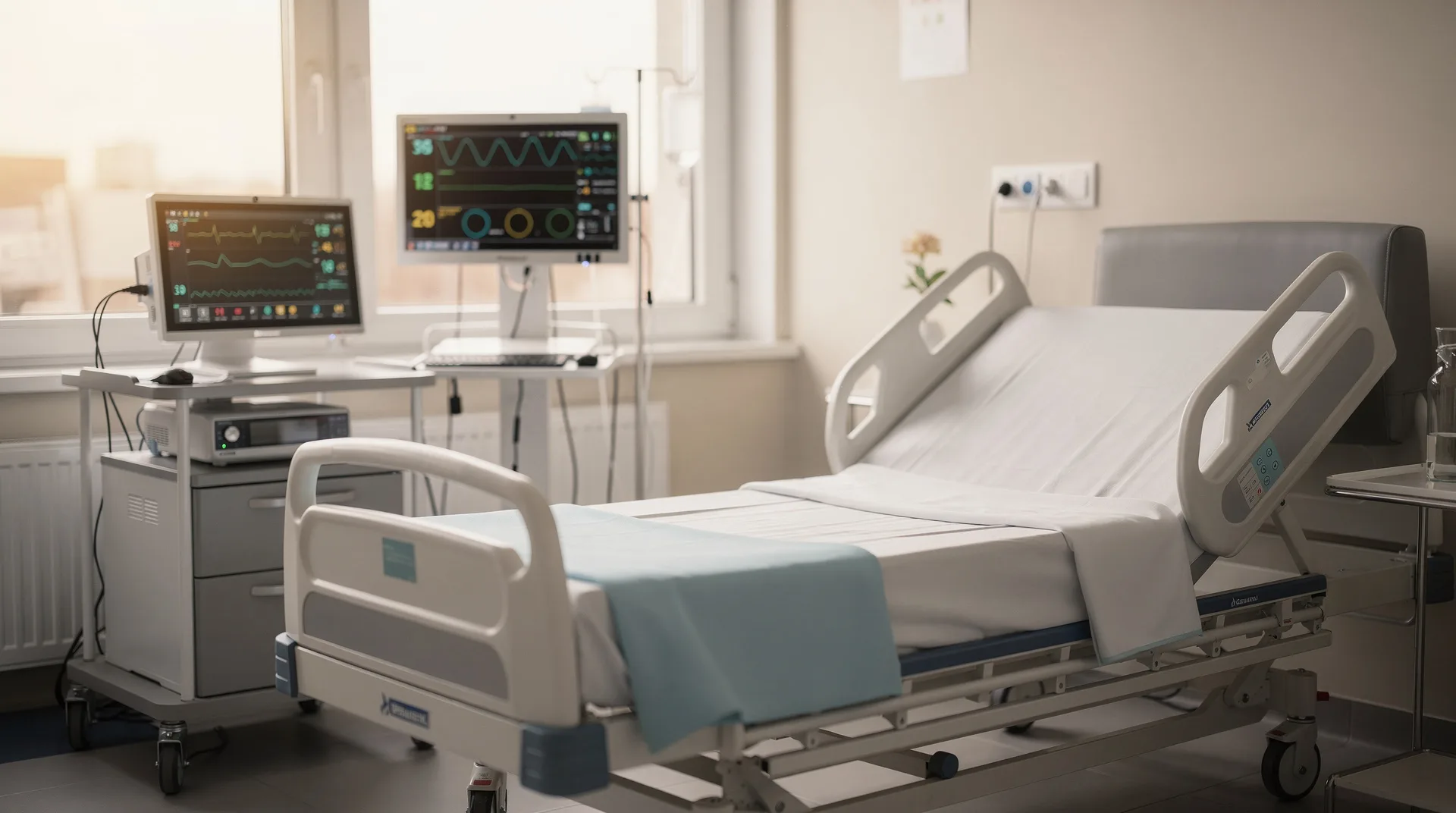
Your surgeon will prescribe appropriate pain medication as well as anti-inflammatory treatment to limit swelling. We recommend sleeping with your head slightly elevated during the first few nights, as this promotes circulation and reduces swelling. During this initial phase, avoid bending forward or engaging in intense physical activity. Applying cold compresses to the cheeks, as directed by your surgeon, can help reduce inflammation. Food should be soft and lukewarm during the first few days to avoid putting strain on the operated area.
Return to activities
The return to daily activities depends on your profession and your recovery. Generally, a work leave of 5 to 10 days is recommended after malar bag surgery. For those with a sedentary office job, returning to work is often possible by the end of the first week.
However, intense physical activities such as sports should be avoided for at least three weeks. Significant physical exertion could cause bleeding or compromise healing. Driving is generally permitted after 48 hours, provided you no longer feel any side effects from the pain medication. During the first month, it is preferable to avoid prolonged exposure to intense heat, such as saunas or Turkish baths.
Medical follow-up
Post-operative follow-up is an essential step to ensure the success of your malar bag surgery. A first follow-up appointment typically takes place one week after the procedure to verify proper healing and remove any sutures.
A second appointment is scheduled approximately one month later to evaluate the final result and ensure that any residual swelling resolves properly. Throughout the entire recovery period, please do not hesitate to contact your surgeon if you notice any unusual signs such as intense pain, infection, or persistent bleeding. These complications remain rare but require prompt attention. The final result of malar bag surgery can be fully appreciated after three to six months, once the tissues have regained their elasticity and natural appearance.
Risks and Complications of Malar Bag Surgery
Possible Complications
As with any surgical procedure, malar bag surgery carries certain risks, although serious complications remain rare.
The most common side effects are bruising and swelling around the treated areas, which generally disappear within one to two weeks. Persistent edema may sometimes remain for a few additional days.
Infections are extremely rare in this type of procedure, occurring in less than 1% of cases according to studies. They typically present as redness, localized warmth, or mild fever. Your surgeon will prescribe the necessary antibiotics if this occurs.
Temporary asymmetries may appear during the healing period. They are often related to the natural scarring process and gradually fade. In very rare cases, a touch-up procedure may be necessary to correct a visible difference between the two sides.
Sensory disturbances of the skin, such as numbness or tingling sensations, may occur in the cheek area.
These effects are generally temporary, and normal sensation typically returns within a few weeks. Very rarely, these sensory disturbances may persist longer.
How to Minimize Risks
Choosing a qualified and experienced surgeon constitutes the first factor of safety.
A thorough preoperative consultation allows us to assess your health status and detect any potential contraindications. Malar bag surgical treatment requires precise expertise to ensure a natural and harmonious result.
Before the procedure, it is essential to carefully follow the preoperative instructions: stop smoking at least two weeks before the operation, avoid certain medications such as aspirin, and report any ongoing treatments.
These measures considerably reduce the risk of complications.
After the procedure, following the postoperative instructions makes all the difference.
Applying cold compresses during the first few days, keeping your head slightly elevated while sleeping, and avoiding intense physical exertion for a week are all measures that promote optimal healing. The majority of patients recover without any notable complications and are fully satisfied with their results.
Results and Durability of the Procedure
Expected Results
After malar bag surgery, the first results become visible once the initial edema subsides, generally within seven to ten days following the procedure. The eye area regains a more rested appearance, with a significant reduction in the bulges under the eyes that sometimes gave a tired look.
Depending on the technique used, the surgeon may combine the removal of malar bags with a slight lifting of the malar region to restore volume to the upper face. Final results are typically appreciated after two to three weeks, once the tissues have settled into their final position. During this recovery period, it is normal to experience some bruising around the eyes, which gradually fades. Most patients resume their social activities by the end of the first week, possibly wearing sunglasses.
Duration of Results
One of the major advantages of this procedure is the durability of the results obtained. Malar bag surgical treatment generally allows for permanent correction of fat hernias, as the removed fat cells do not regenerate. The majority of treated patients enjoy a stable result for several years, often exceeding ten years.
However, the natural aging of tissues continues inexorably, and certain factors such as significant weight gain or excessive sun exposure can influence the longevity of the results. Undergoing malar bag surgery at an appropriate age, generally when the bags are well-established, helps optimize the duration of the effects. For patients who have undergone malar bag removal in Paris or elsewhere, regular follow-up with their surgeon helps maintain a satisfactory appearance over the years and allows for consideration of minor touch-ups if necessary after several years.
Price and Cost of Malar Bag Surgery in France
The question of fees is legitimate and often a concern for patients considering this procedure. As with any cosmetic surgery performed in France, the price depends on many individual parameters that only a surgeon can assess during the initial consultation.
Average Fee
In France, the average cost of malar bag surgery generally ranges between 2,500 and 4,500 euros. This range reflects the diversity of anatomical situations and techniques used.
This fee includes the surgeon’s fees, those of the anesthetist if general anesthesia is required, as well as the operating room costs. In some cases, particularly when the procedure is performed under pure local anesthesia, the cost may be slightly lower. This price is given as an indication only, and only a personalized quote, established after clinical examination, can provide you with the exact amount of your procedure.
Factors Influencing the Price
Several elements affect the cost of this malar bag surgery. The complexity of your individual case plays a determining role: the extent of the volumes to be treated, the quality of the skin, and the degree of tissue ptosis determine the duration of the procedure and the technical steps required. The type of anesthesia chosen also affects the overall cost.
The surgeon’s experience and the reputation of the clinic or hospital center are other factors to consider. Finally, the geographic region can affect the fees, particularly in Paris where structural costs are generally higher. Your surgeon will provide you with a detailed and transparent quote during your consultation, including all services. Feel free to compare several quotes and ask all your questions about what is included in the proposed price.
How to Choose Your Surgeon for Malar Bags
Malar bag surgery is a delicate procedure that requires specific expertise. The choice of your surgeon is determining for achieving a natural and harmonious result. Here are the essential elements to guide you in this important decision.
Essential Criteria
First essential step: verify the practitioner’s qualifications. A qualified plastic surgeon must be registered with the Order of Physicians and hold a DESC in plastic, reconstructive, and aesthetic surgery.
Beyond diplomas, prioritize a professional who regularly devotes themselves to facial surgery. Experience counts enormously: a surgeon who frequently treats malar bags will have refined their technique and know the subtleties of this delicate area.
The preliminary consultation is a privileged moment to evaluate your level of comfort with the practitioner.
A good surgeon listens to you, understands your expectations, and explains the possibilities with honesty. They should show you before-and-after photos of patients who have undergone a similar surgical treatment to yours. These images allow you to judge the style and consistency of the results.
Questions to Ask During Consultation
Ask direct questions. Ask how many years this surgeon has been operating on malar bags and how many procedures they perform annually. This information gives you an idea of their actual expertise.
Also inquire about the technique used: some surgeons prefer a natural incision approach, while others use internal access routes. Each method has specific advantages depending on your anatomy.
The fees should be presented transparently during this first consultation. Be wary of prices that are too low, which may mask a lack of experience or unsuitable facilities. A precise and detailed quote is the standard.
Finally, make sure you feel confident.
Communication is the key to a good result: your surgeon must understand exactly what you are looking for while giving you realistic advice about the results to be expected. The trusting relationship established from the first appointment will be your best guarantee of serenity for the rest of your surgical journey.
Frequently Asked Questions About Malar Bag Surgery
Q: At what age can malar bag surgery be considered?
Malar bag surgery is primarily intended for adults presenting with skin laxity and under-eye bags that become visible with aging.
Generally, patients are between 40 and 70 years old, but each case is evaluated individually during consultation. Your surgeon will analyze your skin quality and the extent of the laxity to determine if the procedure is suitable for your situation. There is no absolute age contraindication if your health condition permits it.
Q: How is the procedure performed to treat malar bags?
The surgical treatment of malar bags is typically performed under local anesthesia with sedation or general anesthesia, depending on patient and surgeon preferences.
The incision is placed discreetly along the lower eyelash line or inside the eyelid, allowing access to the deep tissues to tighten the skin and reposition the fat pads. The procedure typically takes 1 to 2 hours. The sutures are often absorbable, eliminating the need for removal. You can generally return home the same day as the operation.
Q: What is the recovery time after malar bag surgery?
The postoperative period involves swelling and bruising around the eyes for approximately 10 to 15 days. We recommend planning 7 to 10 days off work to recover comfortably.
Intense physical activities should be avoided for 3 weeks. Most patients resume their social activities after 2 to 3 weeks, once the residual signs have faded. Your surgeon will provide personalized recommendations based on your healing progress.
Q: What results can be expected from malar bag surgery?
Malar bag surgery significantly reduces the appearance of under-eye bags and rejuvenates the look durably. The final results appear after 3 to 6 months, once the swelling has completely resolved.
The improvement remains visible for 5 to 10 years, depending on the individual and lifestyle habits. As with any surgical procedure, the outcome may vary from patient to patient. Regular follow-up with your surgeon helps maintain the results over time.
Q: What is the cost of malar bag surgery in Paris?
The cost of malar bag surgery in Paris generally ranges between 2500 and 4500 euros, including clinic fees, anesthesia, and follow-up care.
This price depends on the technique used and the complexity of each case. During your consultation, a detailed and personalized quote will be provided. An exchange with your surgeon will clarify the steps and answer all your questions before making your decision.
Conclusion
Malar bag surgery provides an effective and lasting solution for correcting persistent under-eye swelling that does not respond to creams or daily care.
This targeted procedure helps restore a more refreshed and youthful appearance without altering the natural expression of your face.
As with any surgical procedure, treatment of malar bags requires a thorough preliminary consultation with your surgeon.
They will assess the nature of your bags, their origin (fatty, fluid-based, or mixed), and recommend the most suitable technique for your situation. The goal is always to achieve a harmonious result that respects your natural features.
Recovery varies among patients, but most resume their daily activities within a few days to one week.
Final results appear gradually as the tissues heal and swelling subsides. The investment in this procedure is often minimal compared to the gain in self-confidence and overall well-being.
If under-eye bags are bothering you and you would like to explore the possibility of malar bag surgery, please do not hesitate to schedule a consultation. Your surgeon will be able to examine your case personally and guide you through the process.
Important information:The information contained in this article does not constitute medical advice and does not replace a consultation with a qualified healthcare professional. The results presented are indicative and may vary for each patient. A prior medical consultation is essential to evaluate your personal situation.
To learn more, also see differences between fatty bags and malar bags and removing malar bags.
Decision-Making Comparison Chart for Malar Bag Surgery
| Criteria | Key Takeaway | Point of Attention |
|---|---|---|
| Indication | The procedure or treatment is chosen based on your clinical examination | A personalized consultation remains essential |
| Expected Benefit | The goal is progressive improvement tailored to your case | Results and timelines vary for each patient |
| Constraints | Aftercare, protection, follow-up, and possible additional sessions | The protocol is adjusted according to your skin, anatomy, or medical history |
This table provides general guidance. Your clinical assessment, medical history, and personal goals remain decisive factors.
This article was written by Dr Bernard Hayot’s team, a surgeon and former Head of Clinical Practice in Ophthalmology, specializing in oculoplastic surgery in Paris. The information presented comes from recognized medical sources (HAS, PubMed) and is regularly updated. Last updated: March 2026.
0 Comments