
Medical information. This page does not replace a consultation.
Understanding the procedure
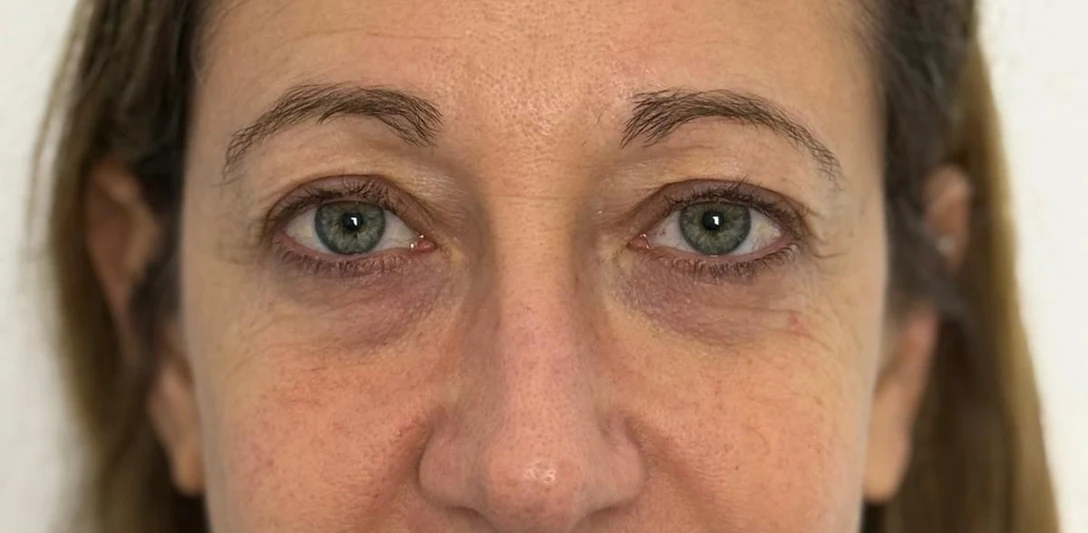
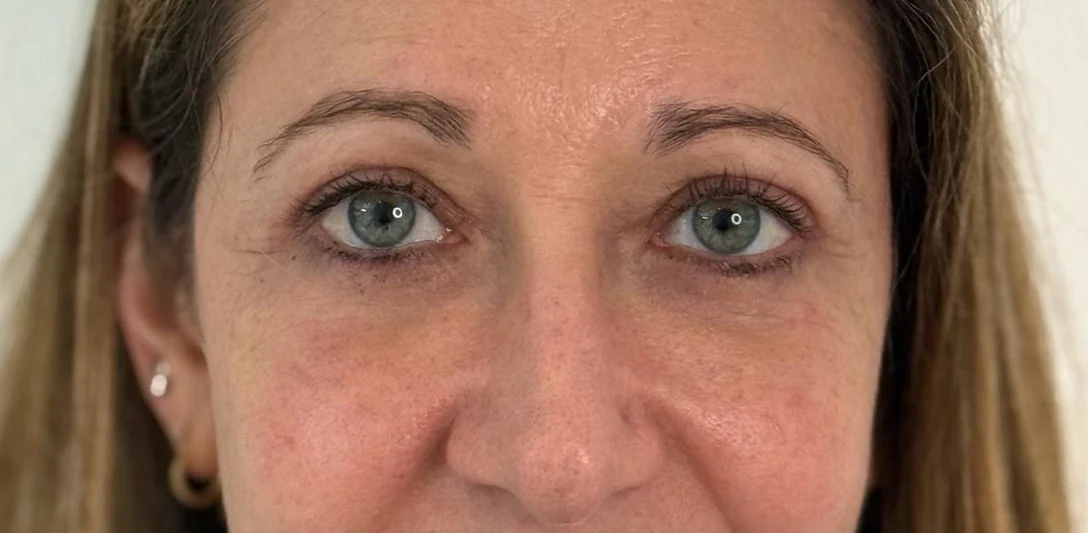
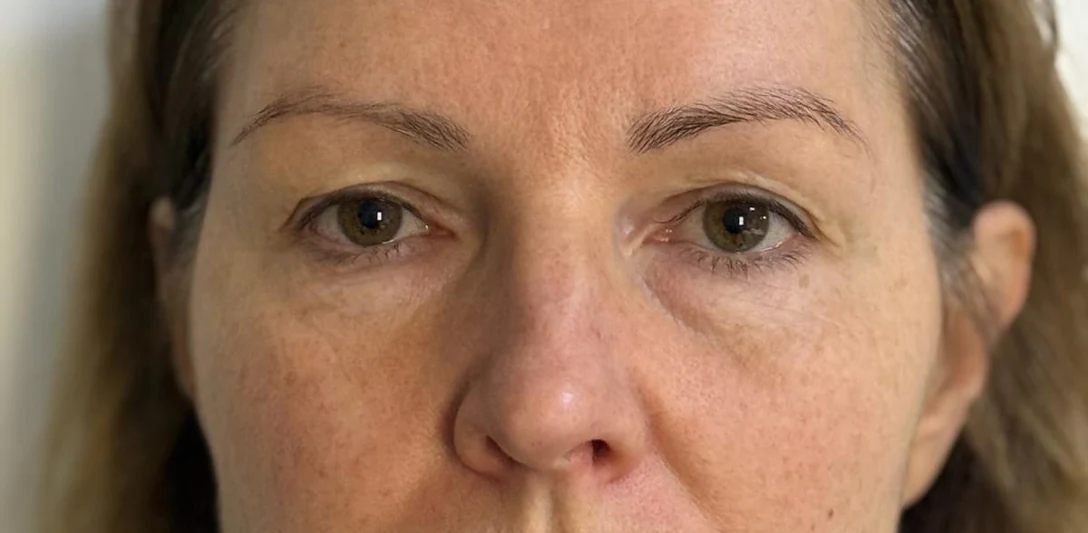
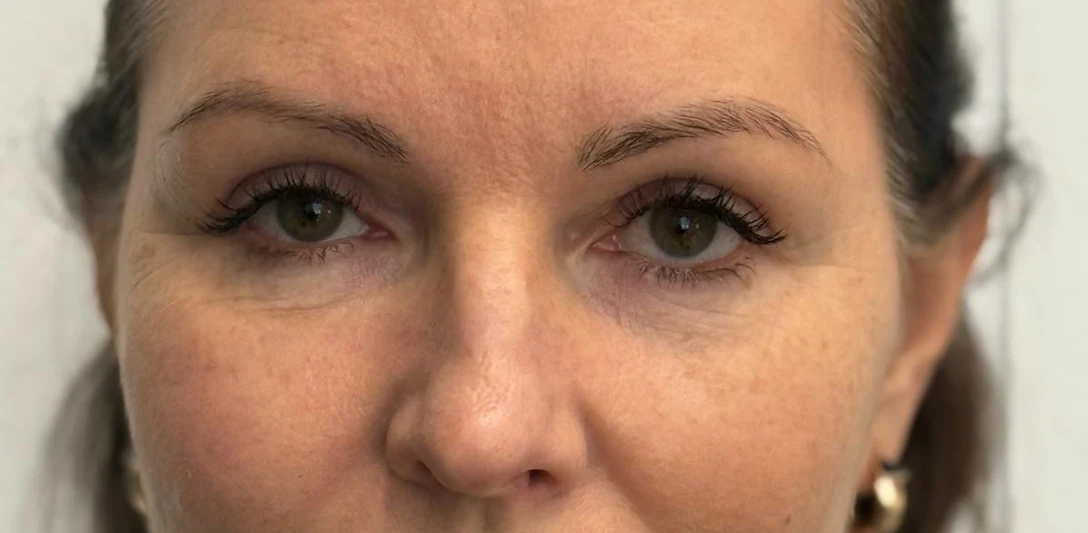
The consultation makes it possible to distinguish excess skin, bags and a loss of volume in order to discuss suitable management.
Upper eyelids
Depending on the clinical examination, a correction may be discussed when excess skin or certain fatty bags alter the upper eyelid. The objective and the limits of the procedure are set out individually.
Lower eyelids
Management depends on the presence of bags, of excess skin, of dark circles or of a loss of volume. Several procedures are possible and do not answer the same indications.
Associated approaches
A restoration of certain volumes may sometimes be discussed. It is neither automatic nor suited to every situation and requires a clinical examination.
In brief
- Anaesthesia
- Determined in consultation, according to the technique chosen and your situation.
- Duration
- Variable according to the technique and any associated procedures.
- Hospital stay
- Specified at the preoperative consultation.
- Return to activities
- Gradual. The timetable is personalised and provided by the team.
The fat compartments of the eyelid
The lower eyelid has three distinct fat compartments. Their respective volume and their distribution, assessed at the clinical examination, guide the procedure: removing, repositioning or supplementing.
Medial
The innermost, on the side of the nose. Often the first to be visible when a bag forms at the inner corner.
Central
Beneath the eyeball. Its bulge contributes to the appearance of a bag and to the step effect with the cheek.
Lateral
The outermost, towards the temple. Its assessment completes the analysis in order to avoid an asymmetrical correction.
Indications, limits & alternatives
What the consultation analyses
- The anatomy and the function of the eyelids
- Skin quality and the volumes of the eyes
- Medical and ophthalmological history
- Expectations, limits and alternatives
An individualised indication
There is no single ideal age. An aesthetic request, a functional impairment and a disease of the eyelid are distinct situations. The clinical examination determines the options to be discussed.
Blepharoplasty or lipofilling?
| Criterion compared | Blepharoplasty | Lipofilling |
|---|---|---|
| Principle | Removing or repositioning an excess of skin and fat. | Restoring volume using your own fat. |
| Situation described | Excess skin, bags, a heavy eyelid. | Hollows, a hollowed under-eye circle, loss of volume. |
| Nature of the procedure | Surgical, with incisions placed in a natural fold, beneath the lashes or inside the eyelid. | Surgical, by harvesting and then reinjecting autologous fat. |
The two procedures are not opposed: they may be combined during one and the same operation. Only the clinical examination makes it possible to determine what is indicated, or to conclude that nothing is.
The techniques
The word “blepharoplasty” covers several procedures that do not treat the same thing. The choice is made at the examination, and one and the same operation may combine several of them.
Upper blepharoplasty
It aims to correct, according to the indication, an excess of skin and certain fatty bags of the upper eyelid. It is often considered when the excess skin begins to conceal the eyelid crease. The scar is placed in that crease.
Lower blepharoplasty
It treats the bags under the eyes and certain excesses of skin. Depending on the situation, it combines the removal of the bags, the filling of hollow dark circles and the tightening of the skin. The aim is to soften the tired appearance without altering the shape of the eye.
Transconjunctival approach
The bags are removed from inside the eyelid, without a visible skin incision. This approach avoids the subciliary scar and the risk of retraction that pulls the eyelid downwards. It is the approach used in the great majority of cases.
Pinch blepharoplasty
When the skin of the lower eyelid is simply crinkled, one to two millimetres of excess skin are removed close to the lashes, without lifting the deep tissues or touching the orbicularis muscle. The scar is concealed in the lash line.
Additive blepharoplasty
Rather than removing, it restores the volumes of the periorbital region by micro-lipofilling. It answers the situations in which hollowing, and not excess, explains the tired appearance of the eyes. It may be combined with another procedure.
Malar bag and festoon
These are the only situations in which the anterior approach retains an indication: the orbicularis muscle must then be lifted.
What does not fall to a blepharoplasty
Certain conditions of the eyelid call for an ophthalmological diagnosis and their own management. They are identified at the examination before any decision.
- Chalazion · A cyst formed by a blocked meibomian gland, sometimes tender and red.
- Ectropion · The lower eyelid turns outwards and exposes its inner surface, which irritates the eye.
- Entropion · The opposite: the eyelid turns inwards and the lashes rub against the cornea.
- Ptosis · The upper eyelid droops and may impair vision. The position of the brow must be distinguished from that of the eyelid.
The consultation pathway
-
01
Clinical assessment
Analysis of the eyelids, of the eyes, of the medical history and of the expectations.
-
02
Individualised information
Presentation of the options, the alternatives, the limits and the risks.
-
03
Decision
A proposal may be drawn up once the indication is confirmed. In aesthetic surgery, the statutory cooling-off period applies after the detailed estimate has been provided.
Aftermath & risks
Recovery varies according to the technique, the associated procedures and each person. It may in particular involve swelling, bruising, ocular irritation, sensitivity to light or watering of the eyes.
Like any procedure, blepharoplasty carries risks, some of which may concern visual function. Their nature, their probability and the course of action to take must be explained before any decision.
The stages of the aftermath
These reference points describe a usual course, without amounting to a timetable: their pace varies according to the technique, the associated procedures and each person. The instructions that apply are those provided by the team.
-
The first few days
Swelling and bruising are common, of variable intensity. A sensation of tightness or pulling may be felt.
-
The first week
The manifestations gradually diminish. Rest and the prescribed local care accompany this phase.
-
The check-up consultation
The follow-up is set by the surgeon. The removal of the sutures, when it is necessary, depends on the technique used.
-
Later on
The result refines over the weeks, as the tissues settle. A consultation makes it possible to appreciate it.
Frequently asked questions
How can one know whether a procedure is indicated?
Only a clinical examination makes it possible to distinguish the different causes and to discuss the relevance of a procedure, of an alternative or of simple monitoring.
What type of anaesthesia is envisaged?
The arrangements depend on the technique, on the associated procedures and on the patient’s situation. They are specified during the preoperative pathway.
When can the result be appreciated?
The evolution of the eyelids and of the scars is gradual. The time varies according to the technique, the associated procedures and individual healing.
What is the difference between upper and lower blepharoplasty?
The upper concerns the excess skin and the heaviness of the top of the eye. The lower concerns the bags, the dark circles and the laxity below. Their anatomy, their function and their risks differ. The two may be independent or combined.
What is pinch blepharoplasty?
A limited removal of the excess skin of the lower eyelid, close to the lashes, without lifting the deep tissues. It addresses crinkled skin, not a bag.
Why operate on the bags from inside the eyelid?
The subciliary incision creates retractile scars that can pull the eyelid downwards and distort the contour of the eye. “The transconjunctival approach involves no skin incision, and therefore no visible scar, and reduces the risk of traction on the lower eyelid without eliminating it (PMID 8357600).”
Is there an ideal age?
No. The indication depends on the anatomy of the eyelids, on visual function, on the evolution of the eyes and on the expectations discussed in consultation.
What scars are there after the procedure?
Depending on the technique, the incisions are placed in a natural fold, beneath the lashes or inside the eyelid. Their evolution depends on each person’s healing.
Is a revision after a first blepharoplasty possible?
It is not systematic. Any request for correction calls for a clinical examination taking account of the initial procedure, of the state of the tissues and of the function of the eyelids.
Is the procedure covered?
Cover depends on the functional character of the indication and on the applicable rules. It must be confirmed with the body concerned before the procedure; a request with an aesthetic purpose gives no entitlement.
Do chalazion, ectropion or ptosis fall to a blepharoplasty?
No. These are distinct conditions that call for an ophthalmological diagnosis and their own management. The examination makes it possible to identify them before any decision.