Universe 02

Lipo­filling
of the face

Page reviewed on 3/09/2026 by Dr Bernard Hayot, ophthalmologist

Lipofilling uses autologous fat, harvested and then prepared before it is reinjected. It may be discussed in order to restore certain volumes or to accompany the management of the eyes. Results remain variable according to anatomy, the quality of the tissues and their evolution.

Before / after

Real cases from the practice, unretouched, framed on the treated area only. Each result is individual and does not predict yours.

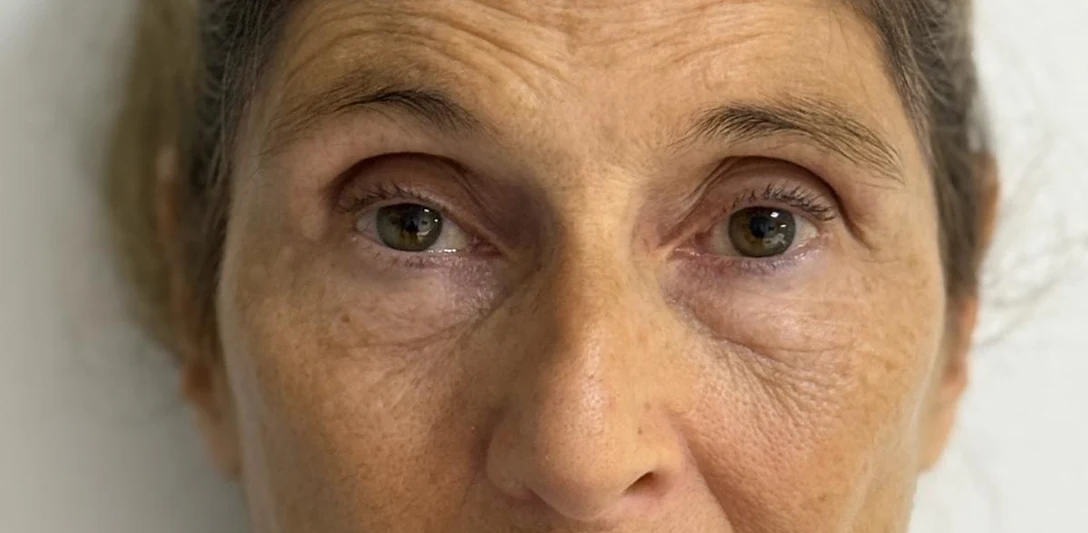
BeforeBefore: Hollow eyes and volume restoration with fat · front view
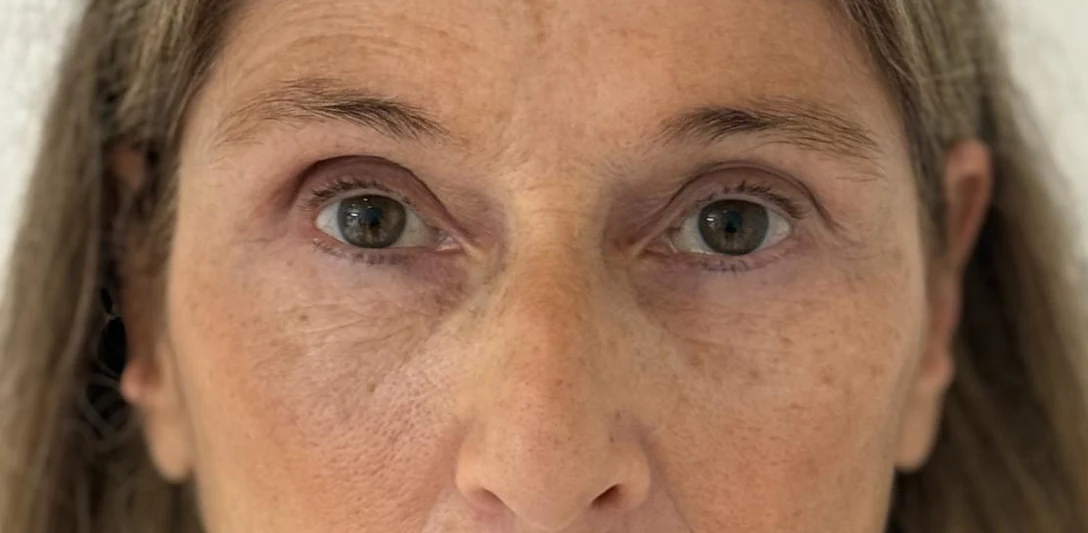
AfterAfter: Hollow eyes and volume restoration with fat · front view
Hollow eyes and volume restoration with fat · front view
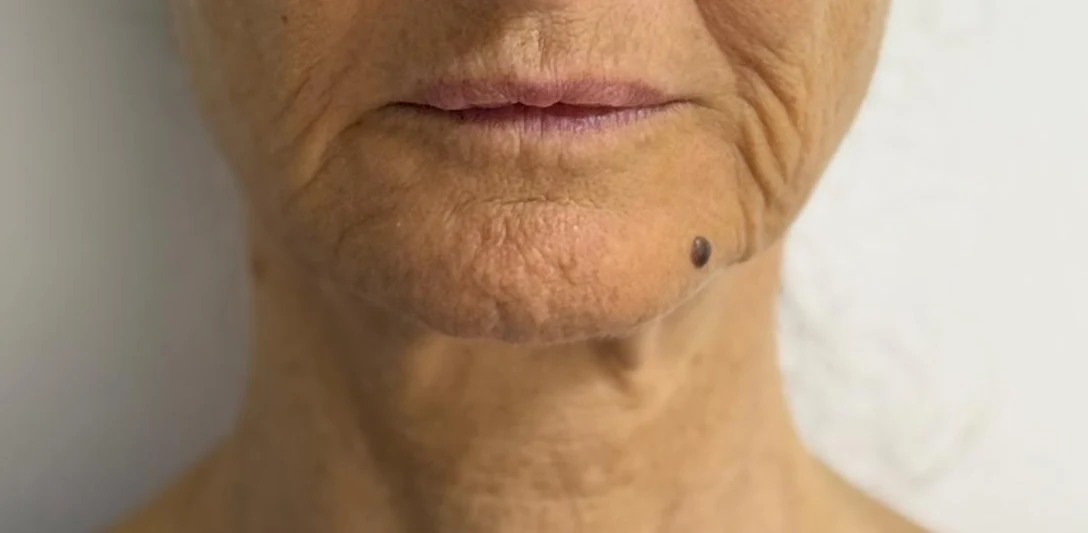
BeforeBefore: Hollow eyes and volume restoration with fat · lower face
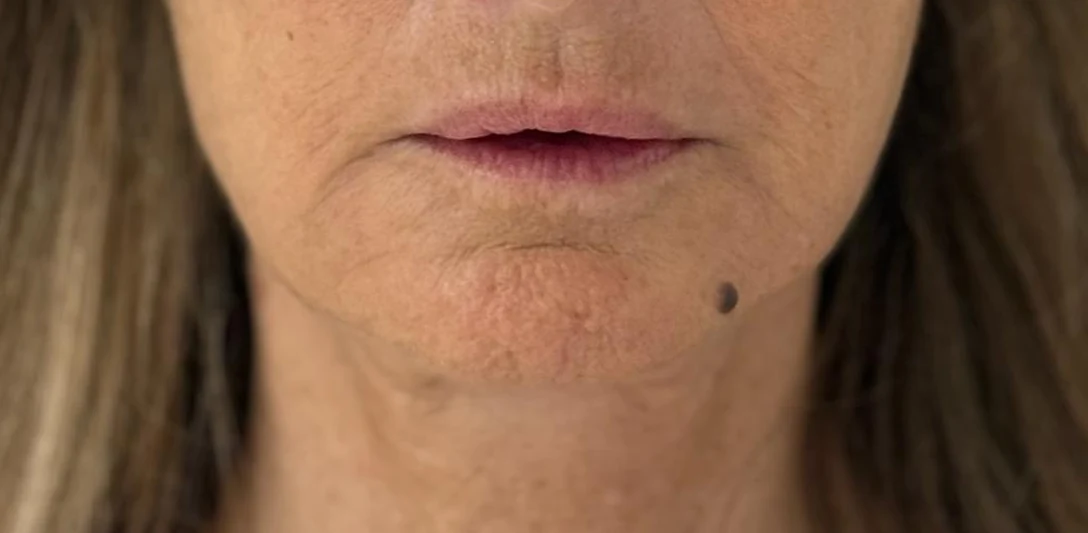
AfterAfter: Hollow eyes and volume restoration with fat · lower face
Hollow eyes and volume restoration with fat · lower face
On video

Dr Hayot on video

Videos from the practice, loaded only on click (cookie-free YouTube).

Lipostructure of the under-eye circles
Microlipostructure of the upper eyelid
Microlipostructure of the upper eyelid · case 2
Facial lipofilling
My new techniques of fat transfer (long version)
My new techniques of fat transfer (short version)

An autologous material

Volumes,
eyes & skin

Beneath one and the same term lie procedures whose preparation, depth and purpose may differ.

The autologous fat comes from the patient. Its harvesting, its preparation and its implantation follow a plan defined after clinical examination.

Restoring a hollow does not necessarily treat a discolouration, a laxity or a bag. The analysis therefore separates the components of the request before considering a procedure, an alternative or abstention.

What the consultation assesses

The examination covers the contours at rest and in movement, the asymmetries, skin quality and previous procedures. It also looks for the medical factors liable to alter the indication or the aftermath.

In the periorbital region, Dr Hayot works as an ophthalmologist oriented towards oculoplastic surgery. The harvesting and any procedure located outside the periorbital region are performed four-handed with a surgeon qualified for these procedures.

The approaches
to lipofilling

The choice does not rest on the name of a technique, but on the anatomical diagnosis and the request expressed. The indications, the alternatives, the recovery and the risks are explained before any decision.

01

Facial volumes

The temples, the cheekbones and the facial contour correspond to different structures. Their analysis takes account of the proportions of the face, the tissues available and the alternatives. Any procedure on these areas outside the periorbital region is performed four-handed with a surgeon qualified for these procedures.
The restoration of volumes The contour of the face

03

Coloured under-eye circles

The colour may be linked to several cutaneous, vascular or anatomical components. Adding volume does not correct all of these causes. The consultation clarifies what lipofilling can reasonably change and what falls to another approach.

Coloured under-eye circles

04

Wrinkles & folds

The nasolabial folds and the perioral region are assessed together with movement and the support of the neighbouring tissues. An isolated correction may be unsuitable if the main mechanism is different. Any procedure on these areas is performed four-handed with a surgeon qualified for these procedures.
Filling the wrinkles The nasolabial folds

05

Rejuvenation of the eyes

The balance of the eyes depends on the eyelids, the bags, the hollows and the support of the middle third. Lipofilling may be discussed on its own or within a pathway combining other procedures.

Rejuvenation of the eyes with fat

06

Nano-lipofilling

Nano-lipofilling relies on a fine preparation of the autologous adipose tissue. Its purpose differs from a conventional volumetric restoration and its expected benefits must be presented with measure. Outside the periorbital region, it is performed four-handed with a surgeon qualified for these procedures.
Nano-lipofilling

Frequently asked questions

What does “autologous fat” mean?

It is a tissue harvested from the patient himself, then prepared for the indication retained. This origin excludes neither the risks nor the variations in graft take.

How can one know whether lipofilling is indicated?

The indication depends on the cause of the hollow, on the quality of the tissues and on the medical history. The consultation may lead to proposing another approach or to not operating.

Does lipofilling correct a coloured under-eye circle?

Not necessarily, because a discolouration may have several origins. The examination distinguishes the shadow linked to the hollow from the cutaneous or vascular components in order to define the limits of the procedure.

What alternatives may be discussed?

Depending on the situation, monitoring, a medical approach or a different surgical procedure may be considered. Their expected benefits, constraints and risks are compared in consultation.

How is the pathway prepared?

The plan sets out the areas concerned, the role of each practitioner and the instructions suited to the case. The personalised timetable is determined in consultation and confirmed before the procedure.

What aftermath should be anticipated?

Swelling, bruising, tenderness or a transient asymmetry may occur. The instructions on care, rest and follow-up are adapted to the procedure performed.

What risks are discussed before the procedure?

The information covers infection, bleeding, irregularities, asymmetry, resorption and insufficient or excessive corrections. It also covers the vascular complications liable to affect vision or the neurological system.

How does the result evolve?

Part of the grafted tissue may be resorbed and the tissues continue to evolve. The appreciation of the result follows a personalised timetable, because its stability and its appearance vary from patient to patient.

A facial lipofilling case
In video

Fat grafting, explained on a case

Dr Hayot walks through the steps of facial lipofilling: assessing volumes from older photographs, harvesting and preparing the fat in the operating room, then follow-up on day one and later on.

Results vary from one person to another. Indication and technique are decided in consultation.

No automatic
solution

Loss of volume, discolouration, laxity and skin quality do not call for the same procedures. Choosing an approach requires a clinical examination and personalised information on its alternatives and its risks.

Limits and alternatives

Lipofilling does not make it possible to predict exactly the share of fat that will be maintained. An irregularity, an asymmetry or an incomplete correction may persist despite a carefully established indication. Results are variable and never constitute a aim for.

Another technique, a combined form of management or the absence of any procedure may be more coherent. Outside the periorbital region, any procedure proposed is performed four-handed with a surgeon qualified for these procedures. The decision rests on clear information and a personalised timetable determined in consultation.

Continue exploring

The other universes

See the lipofilling results

Go further

The technical sheets

Benchmarks from the literature

What the studies say

A few figures published in peer-reviewed journals, chosen to give orders of magnitude. They do not describe your case: only the consultation does.

  1. A meta-analysis of 27 studies bringing together 1,011 patients who had undergone autologous fat grafting to the face reports a mean volume retention rate of 47% (95% confidence interval: 41 to 53%), with individual values ranging from 26 to 83% according to the series and the measurement methods.

    Lv et al., Aesthetic Plastic Surgery, 2021 · PMID 31940073
  2. A systematic review of 43 studies covering 4,577 patients treated by autologous facial fat grafting finds a weighted mean volume retention of 41.6% for non-enriched grafts, at a mean follow-up of 13.9 months, and a complication rate of 2.3%, dominated by asymmetries.

    Gornitsky et al., JPRAS Open, 2019 · PMID 32158860
  3. In a retrospective series of 119 patients (238 eyelids) who had combined lower blepharoplasty with fat grafting, an oil cyst of the lower eyelid occurred in 6.7% of eyelids, with a mean time to onset of about eight months. Arterial hypertension and diabetes were associated with this risk.

    Huang et al., Annals of Plastic Surgery, 2022 · PMID 35225851
  4. A systematic review of 16 studies bringing together 1,159 patients operated on with eyelid fat grafting reports results judged satisfactory and few complications, but underlines a very wide heterogeneity of harvesting, purification and reinjection techniques, and a low level of evidence that requires caution in interpretation.

    Boureaux et al., J Craniomaxillofac Surg 2016 · PMID 26880013
  5. “Nanofat”, obtained by emulsification and then filtration of the fat harvest, no longer contains viable adipocytes, while remaining rich in stem cells derived from adipose tissue: it therefore does not restore volume, and its reported use concerns the quality of the skin, fine lines and scars.

    Tonnard et al., Plast Reconstr Surg 2013 · PMID 23783059
  6. In a series of 152 patients treated by autologous fat injection with release of the tear trough ligament, reported satisfaction fell from 93.4% at one month to 86.8% at six months and then 82.4% at two years, the most frequent complications being transient swelling and palpable irregularities.

    Huang et al., Aesthetic Plast Surg 2022 · PMID 35857083

The hollow under-eye circle Surgery, lipofilling or injections?

On video

On video

Dr Hayot explains this subject on video. Each video loads only when you click it.

Hyaluronic acid is not injected into the dark circles
Aesthetic medicine with fat enables harmonious treatment of all facial volumes, whether upper eyelids, temples,…
Correcting poorly performed past injections
It’s not surgery, it’s SCULPTURE with your own fat
Why is it better to inject fat into the dark circles?
BEFORE/AFTER: Results of a mullerectomy to lift the eyelid and treat ptosis, combined with removal of excess skin,…

Book an appointment

01 40 17 00 99
Contact the secretariat

At the practice in Paris 8e or by teleconsultation for a first opinion. The assistant will guide you and arrange your appointment.

Protocols, dosages and fees are never published here: they are determined in consultation, after examination, and provided in writing in the estimate.