
Effective treatments for under-eye puffiness
Before / after
Real cases from the practice, unretouched, framed on the treated area only. Each result is individual and does not predict yours.
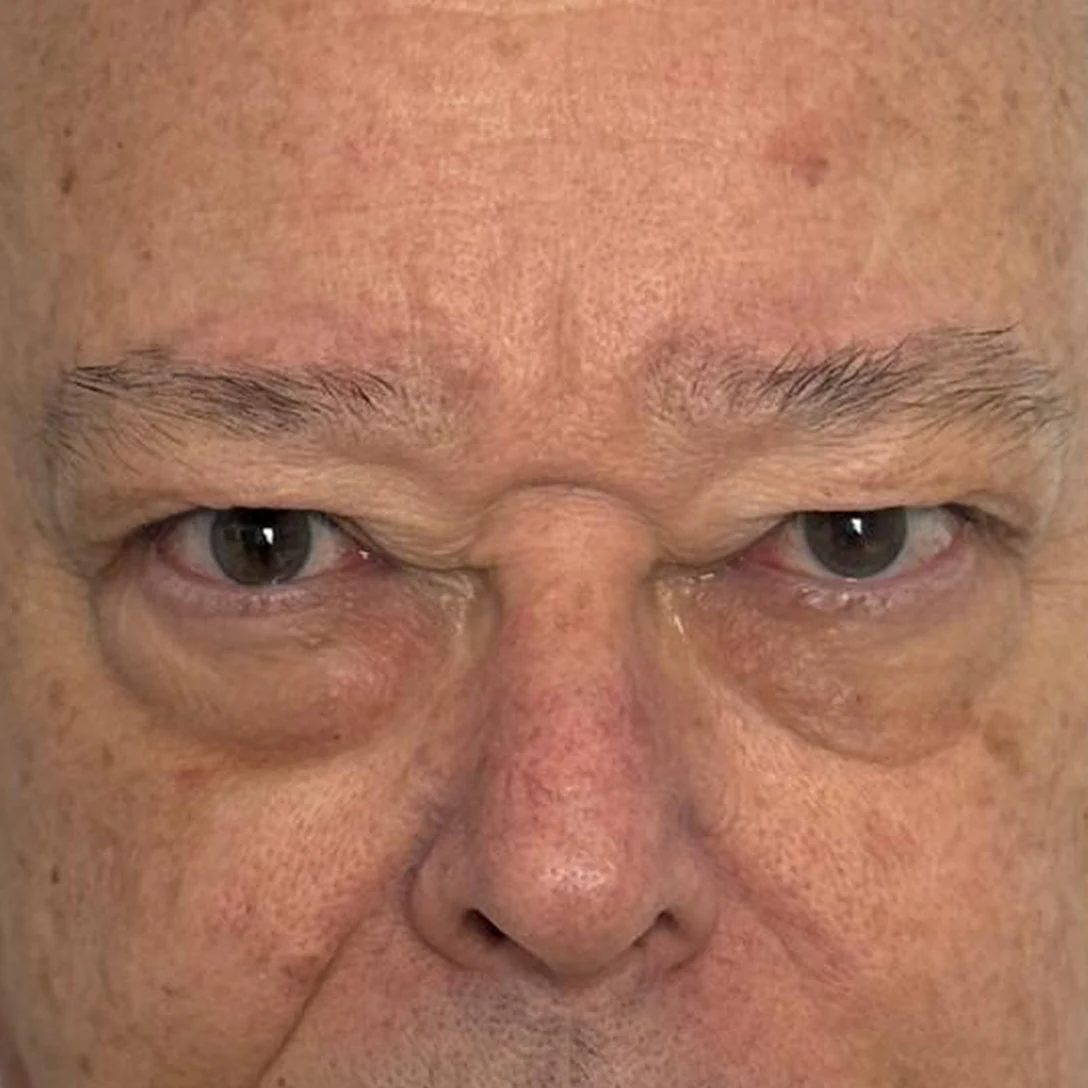
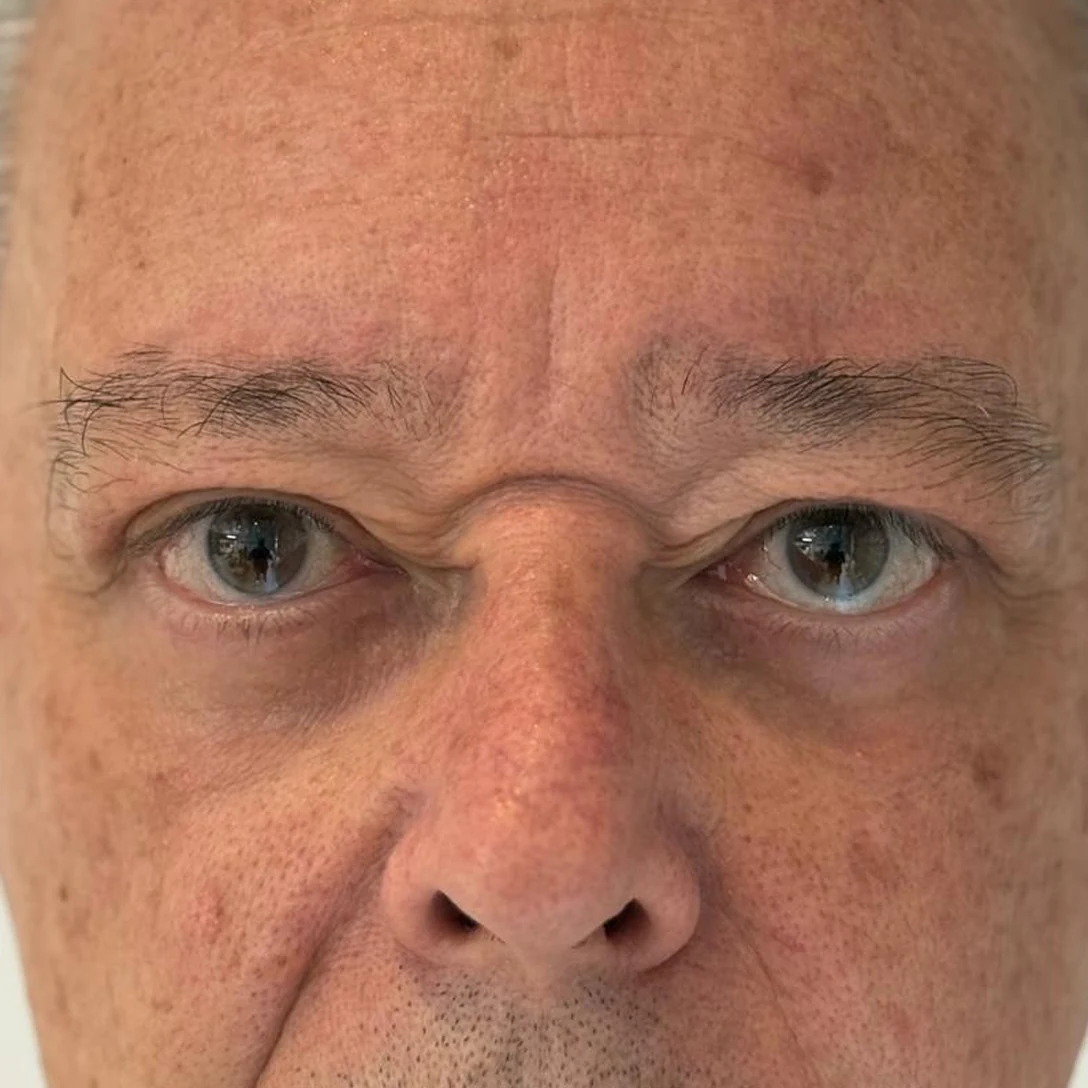
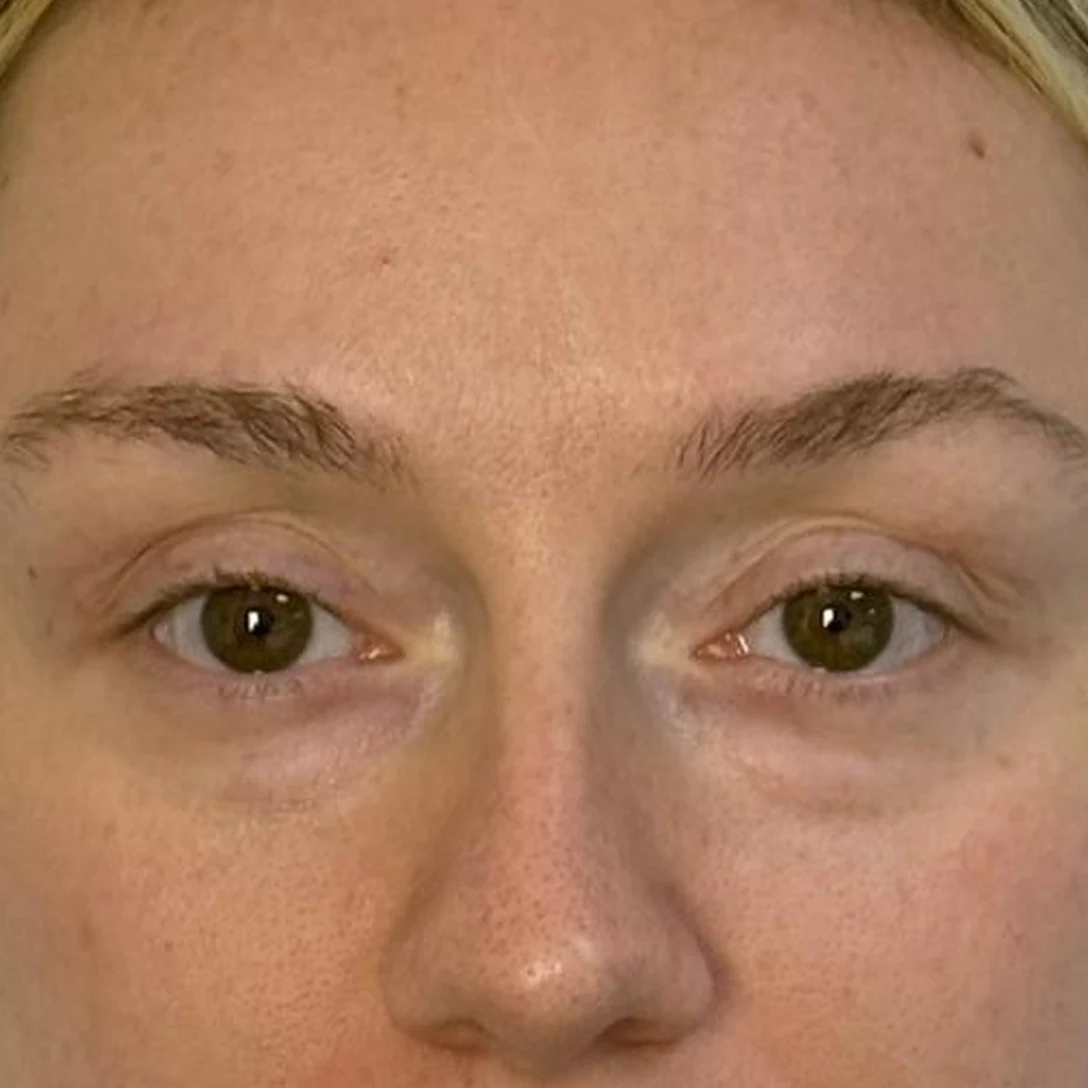
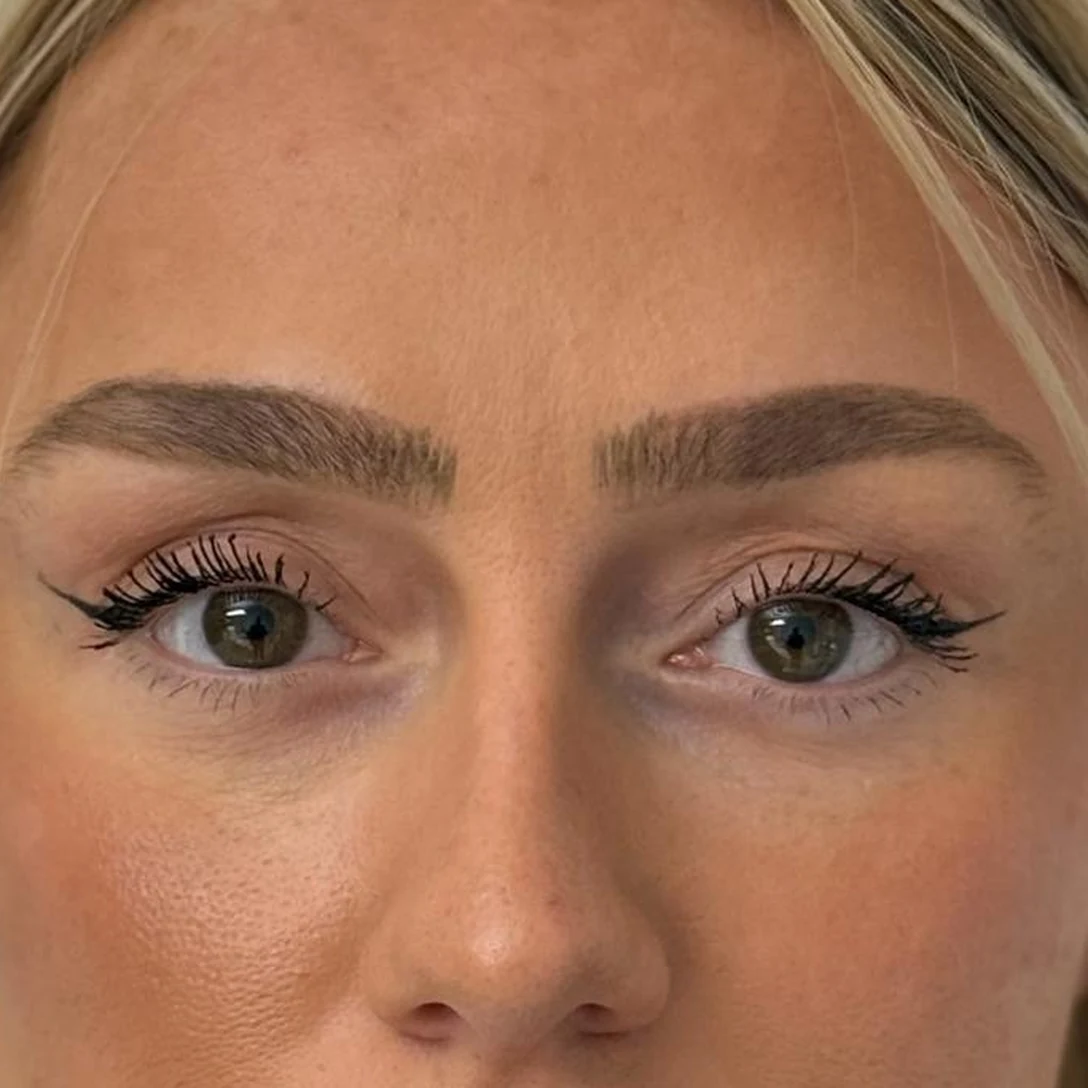
Photographs published with the patients’ written consent.
Written and reviewed by Dr Bernard Hayot, ophthalmologist, RPPS 10003926226.
WHAT IS AN UNDER-EYE BAG?
Under-eye bags are easily recognised by the swelling they cause in the lower eyelids. There are two types of bag:
- bags caused by swelling from lymphatic oedema (malar bags)
- bags caused by a build-up of fat. Surgery is the only effective and lasting way to remove them.
WHAT CAUSES BAGS UNDER THE EYES?
In some people, puffiness appears on waking, caused by lymph accumulating in the lower eyelid. This type of swelling usually subsides during the first few hours of the day.
Bags that are permanently present may result from skin ageing. With age and the loss of tissue elasticity, the eyes appear less defined, the skin sags and loses its firmness, and bags form.
When external factors such as an allergy, a sting or an injury are the cause, under-eye puffiness is temporary.
Although under-eye bags tend to become more pronounced with age, they can also be caused by lifestyle habits such as smoking, alcohol consumption and poor sleep.
REMEDIES FOR UNDER-EYE PUFFINESS
There are several ways to reduce bags under the eyes, but they are not all equally effective, depending on your indication.
1. Reducing under-eye puffiness with traditional home remedies:
To reduce puffiness under the eyes caused by lack of sleep:
- Tea or herbal tea bags, infused and left to cool, can be applied to the eyelids as a mask.
- Apply ice compresses to the eyelids for ten minutes each morning to reduce swelling. Cold also helps to tone and firm the skin by tightening the tissues. If you have no compresses, spoons turned upside down and left in the freezer for at least 30 minutes will do the job.
- Fresh cucumber slices, applied to the eyelids as a mask, relax the features, refresh the eyes and reduce under-eye puffiness.
2. Make-up to camouflage under-eye bags
Eye-contour make-up is generally used to “correct” a tired look by softening the dark colouring of dark circles, or to camouflage imperfections around the eyes. A concealer can brighten the look, but it cannot change volumes. The hollow of the dark circles will not be camouflaged, and neither will the relief of the under-eye bags.
3. Anti-puffiness creams to reduce under-eye swelling
These creams and certain skincare masks aid blood circulation and reactivate lymph flow. Circular massage and simple movements, such as the figure-of-eight massage, can enhance their effect.
4. Lymphatic drainage of the eyelids
Carried out by a specialist, preferably an aesthetic doctor or an aesthetic nurse in a medical practice, lymphatic massage improves lymph circulation in the face and helps to clear oedema. Lymphatic drainage is particularly effective on the eyelids after blepharoplasty surgery, as it speeds up healing.
5. A healthy diet to reduce puffiness under the eyes
Low-salt, high-fibre foods tend to improve lymphatic circulation and reduce under-eye puffiness. Drinking plenty of water also helps to prevent fluid retention. Drink at least 1.5 L of water a day.
Physical activity, a diet free from alcohol, cigarettes and toxins, and healthy living conditions all help to reduce signs of fatigue and puffy eyes. The optimum amount of sleep varies from one person to another, but eight hours is generally recommended to avoid the “small eyes” syndrome.
6. Removing make-up every night to prevent bags under the eyes
Removing make-up properly is essential to let the skin tissue breathe overnight. It is scientifically proven that women who do not remove their make-up thoroughly every day tend to age far faster, with wrinkled, dehydrated skin. The effect on the eyelids is severe, as the skin is smothered by the layer of make-up left on the dermis.
7. Bicarbonate of soda for under-eye puffiness
Using bicarbonate of soda to reduce under-eye puffiness is a common home beauty tip, although the scientific evidence supporting it is limited. Some claim that gentle, temporary applications of a diluted solution can reduce puffiness by briefly deflating the area. This method must be approached with caution, however, as the skin around the eyes is particularly delicate and sensitive and bicarbonate of soda can irritate it. Always test on a small area of skin first.
HOW TO GET RID OF UNDER-EYE BAGS FOR GOOD?
Although there are many remedies for under-eye bags, only lower eyelid surgery is truly effective. Blepharoplasty, also known as bag resection, removes the fatty pocket permanently.
Eyelid surgery is carried out in the operating theatre on a day-case basis: you come into the clinic in the morning and leave in the afternoon.
HOW IS LASER EYE BAG REMOVAL PERFORMED?
During an initial consultation with Dr Bernard Hayot, a specialist in eyelid and oculoplastic surgery for over 30 years in Paris, you will be given an estimate and an informed consent form for the operation. The oculoplastic surgeon will explain the indications, the risks and the precautions to take when removing fatty bags from the eyelids.
An appointment with the anaesthetist and a blood test at least 48 hours before the operation are required. The operation can then go ahead:
- The oculoplastic surgeon incises the inside of the lower eyelid with a laser scalpel, which avoids bleeding and the risk of a post-operative haematoma.
- The surgery consists in removing the fat pads without touching the orbicularis muscle.
- Recovery is rapid and leaves no scar. Social downtime does not exceed 3 days.
- The result is long-lasting: once the fat pads have been removed, they do not come back.
If you have any further questions, ask Dr Hayot, a specialist in eyelid and oculoplastic surgery in Paris.
FAQ
What’s the difference between under-eye bags and malar bags?
Under-eye bags are a swelling of the lower eyelid. Malar bags, by contrast, sit below the dark circles, on the upper part of the cheekbone. Unlike under-eye bags, which correspond to fatty deposits, malar bags are caused by poor lymphatic drainage, which leads to water and fat retention and to oedema.
Who should I consult if I have bags under my eyes?
Before trying to get rid of bags under the eyes, or looking for a possible remedy, it is important to identify the cause. If the bags are due to ageing or run in the family, an oculoplastic surgeon is the right person to consult. Before taking any action, however, it may be necessary to seek the advice of a doctor or an ophthalmologist.
Are there any side effects to laser eye bag removal?
Under-eye bags are removed by lower blepharoplasty, a procedure lasting between 30 and 45 minutes under local anaesthetic. Complications are rare and side effects are mild: haematomas and oedema may remain visible for 2 to 6 weeks. Temporary reddening of the skin may also occur.
What will my eyes look like after laser treatment for puffiness?
Because laser treatment of under-eye bags requires no sutures, there is no scarring, haematoma or bleeding.
This page is for information. It does not replace a consultation: every situation is judged on examination.