
Eye Rejuvenation in 2025: Blepharoplasty or Fillers?
Written and reviewed by Dr Bernard Hayot, ophthalmologist, RPPS 10003926226.
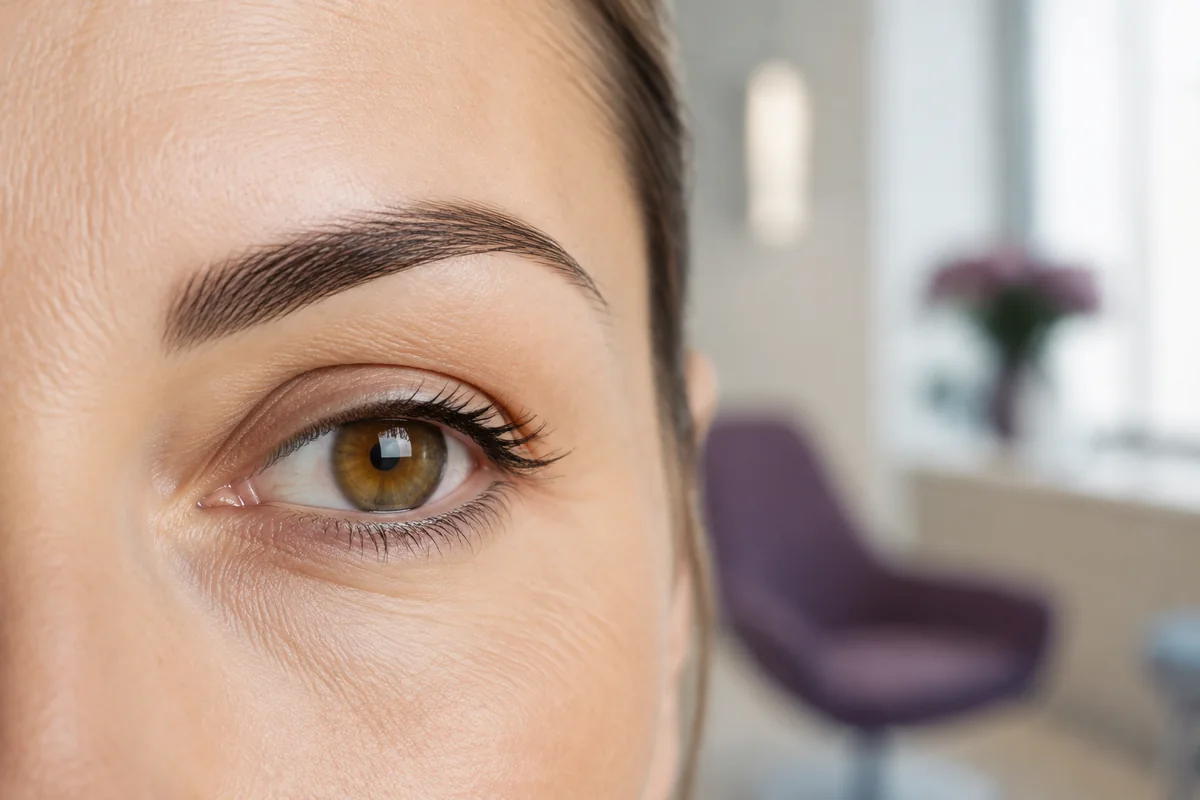
In Paris, the capital of elegance, the eyes are an eternal signature. They captivate, they seduce, they tell a story. Yet with time this delicate area reveals the passing years: drooping eyelids, hollow under-eyes or puffiness can dull your natural glow. In 2025, aesthetic trends favour natural results, minimally invasive procedures and regenerative approaches. Dr Bernard Hayot, a renowned specialist in eyelid and oculoplastic surgery, offers refined solutions such as blepharoplasty and lipofilling — perfectly aligned with today’s aesthetic expectations. How do you choose the best option to rejuvenate your gaze? Discover the latest advances in world-class Parisian expertise.
Why Do Our Eyes Age? A Scientific Perspective
The eye area is especially vulnerable. The fat under the eye gradually diminishes, deepening dark circles, while fat herniation causes puffiness. The result is a tired appearance, even after a good night’s sleep.
In 2025, Parisian techniques combine precision and regeneration to restore facial harmony, without artifice.
Is It Really Possible to Rejuvenate the Eyes?
Signs of ageing such as drooping eyelids or hollow under-eyes can be corrected with techniques such as blepharoplasty or lipofilling, which give natural, long-lasting results.
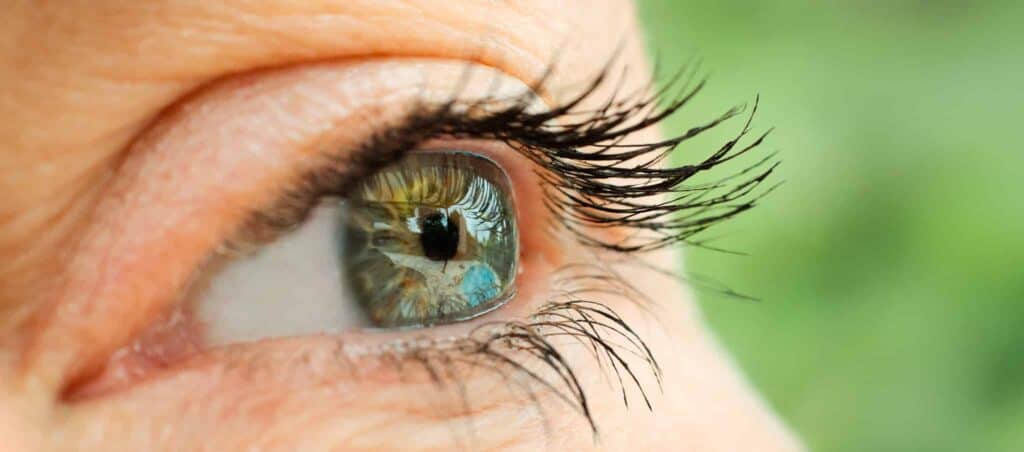
Blepharoplasty: Precision for a Refreshed Look
Blepharoplasty reshapes the eyelids for long-lasting results. Performed as a day case, it uses a CO₂ laser to make concealed incisions and allows a quick recovery (8–10 days).
Upper Eyelids
Removes excess skin to open up the eyes, for a brighter and more natural look.
Lower Eyelids
Removes the bags through a transconjunctival approach, with no visible scar, for a smooth contour.
2025 Innovation: Addition Blepharoplasty
Combines skin resection with fat grafting to avoid the “hollow eye” effect.
Ideal for: excess skin or pronounced under-eye bags.
Limitation: brief social downtime.
Lipofilling: A Natural Advance in Fillers
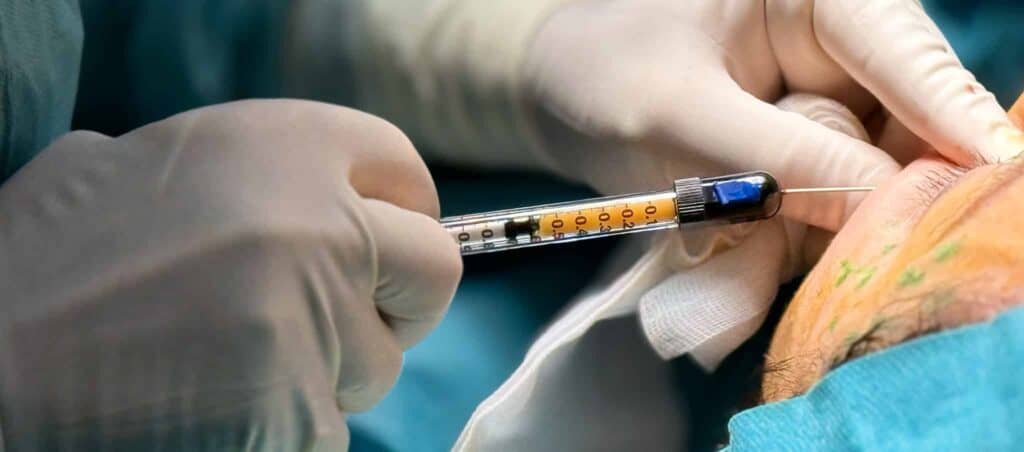
Lipofilling uses your own fat to restore volume, outperforming hyaluronic acid, which is often temporary and can sometimes give unnatural results. In 2025 it fits the trend for regenerative medicine, which aims to improve skin quality over the long term.
Micro-lipofilling
Smooths hollow under-eyes and enhances the cheeks in just 15 minutes, for a naturally rested look.
Nano-lipofilling
A 2025 breakthrough: purified fat, rich in stem cells, regenerates the skin and reduces pigmented dark circles, with both a volumising and a revitalising effect.
Ideal for: hollow under-eyes, loss of volume.
Limitation: temporary results (1–2 years).
Blepharoplasty or Lipofilling: Which Is the Right Choice to Rejuvenate Your Eyes in 2025?
Your anatomy and your goals guide the decision, with a personalised approach at the heart of 2025 trends:
| Criteria | Blepharoplasty | Lipofilling |
|---|---|---|
| Targeted Concern | Puffiness, excess skin | Hollow under-eyes, volume loss |
| Duration | Long-lasting | 1-2 years |
| Recovery | 8-10 days | 2-3 days |
| Innovation | Additive blepharoplasty | Nano-lipofilling |
For overall rejuvenation, the two procedures can be combined.
2025: The Eyes — A Key to Seduction in Paris
In 2025, natural beauty leads the way: eye rejuvenation is more than ever at the forefront of aesthetic trends. In Paris, techniques such as nano-lipofilling and laser blepharoplasty are gaining ground for their precision and their subtlety. Ready to enhance your gaze? Contact us for a consultation at info@drhayot.com or explore our before-and-after results.
Frequently Asked Questions: Eye Rejuvenation
Does blepharoplasty leave scars?
No: thanks to the transconjunctival approach and the CO₂ laser, incisions are virtually concealed as early as two weeks after the procedure.
What’s the difference between lipofilling and hyaluronic acid?
Lipofilling uses your own fat and gives a natural, long-lasting result (1–2 years). Hyaluronic acid is temporary (6–12 months) and may cause swelling.
How long is the recovery after nano-lipofilling?
2 to 3 days, with an immediate return to light activity.
Can I combine blepharoplasty and lipofilling?
Yes: addition blepharoplasty combines both for complete rejuvenation.
Is blepharoplasty painful?
No: the procedure is performed under local or light general anaesthesia. Post-operative discomfort is managed with mild painkillers, and most patients report only minimal discomfort.
Can you rejuvenate your eyes after 50?
Absolutely. Blepharoplasty and lipofilling are suitable at any age, with personalised protocols to treat puffiness, dark circles or skin laxity after 50.
Is nano-lipofilling suitable for pigmented dark circles?
Yes: nano-lipofilling is particularly effective on pigmented dark circles, thanks to regenerative properties that improve skin quality.
Why are natural results preferred in 2025?
In 2025, patients want results that preserve their natural appearance. Techniques such as addition blepharoplasty and nano-lipofilling deliver subtle, harmonious outcomes and avoid the “surgical” look.
What are the minimally invasive options for eye rejuvenation in 2025?
Minimally invasive options include micro-lipofilling and nano-lipofilling, which use the patient’s own fat to restore volume and regenerate the skin around the eyes, with quick recovery and natural-looking results.
How are treatments personalized for each patient?
Each patient has a detailed consultation to assess their specific needs. The choice between blepharoplasty, lipofilling or a combination of the two is based on the patient’s anatomy and aesthetic goals.
What is regenerative medicine in aesthetic eye surgery?
Regenerative medicine uses techniques such as nano-lipofilling, which injects fat rich in stem cells not only to restore volume but also to improve skin quality — particularly effective for pigmented dark circles.
How do you choose the right specialist for blepharoplasty or lipofilling?
It is essential to choose a practitioner with experience and specialisation in oculoplastic surgery and aesthetic medicine. Dr Bernard Hayot, an oculoplastic surgeon with over 30 years of experience and trained under pioneers such as Dr Sydney Coleman, offers renowned expertise for natural, long-lasting results.
Are there trends like “Foxy Eyes” in eye rejuvenation?
While trends such as “Foxy Eyes” aim to alter the shape of the eye for a more lifted effect, Dr Hayot favours an approach that respects each patient’s natural features and avoids overly dramatic transformations.
Are there preventive treatments for eye rejuvenation?
Yes: for younger patients wishing to prevent the signs of ageing, treatments such as nano-lipofilling can preserve volume and improve skin quality before dark circles or under-eye bags become prominent.
What are the possible risks and complications of blepharoplasty and lipofilling?
Risks are rare but may include bruising, infection or asymmetry. Blepharoplasty can cause temporary dry eye, while lipofilling may require a touch-up if some of the fat is resorbed. A consultation with an experienced specialist helps to minimise these risks.
How should you prepare for blepharoplasty or lipofilling?
Avoid anti-inflammatory medicines and alcohol for one week before the procedure. Stop smoking to optimise healing. A pre-operative consultation allows recommendations to be tailored to your health and your individual needs.
A healthy lifestyle, including sun protection and good hydration, helps to prolong the results.
Protocols, dosages and fees are never published here: they are determined at the consultation, after examination, and provided in writing in the quotation.
This page is for information. It does not replace a consultation: every situation is judged on examination.