
Ozempic Face: you have started a GLP-1 agonist treatment to lose weight and you notice that your face is changing, sometimes in a troubling way. The cheeks become hollow, the cheekbones flatten, and wrinkles appear where your face was once full.
This transformation, which we commonly call Ozempic face in our practice, actually affects a significant proportion of patients undergoing this type of treatment: according to recent studies, nearly 30 to 40% of people on GLP-1 agonists develop visible facial volume loss in the months following rapid weight loss. This change can be a source of concern, and I fully understand this because I see it daily in my practice in Paris.
The mechanism is simple but relentless: these medications often produce impressive weight loss, but they do not distinguish between body fat and the facial fat that maintains the volume and youthfulness of your face.
The subcutaneous adipose tissue, which constitutes the natural cushioning of your cheeks and cheekbones, diminishes rapidly, exposing the bone contours and accelerating the appearance of wrinkles. Many of my patients describe their face as “wrinkled,” “aged,” or “hollow” and feel out of sync with their new body silhouette, which otherwise satisfies them completely.
The good news is that this situation is not inevitable. As an oculoplastic surgeon specialized in eye and facial surgery, I offer several approaches to restore lost volume and rejuvenate the Ozempic face.
Facial lipofilling, which involves reinjecting your own fat into the hollowed areas, offers natural and lasting results. Hyaluronic acid injections provide a less invasive alternative to restore volume loss. In some cases, an endoscopic facelift may be recommended to address associated skin laxity.
I invite you to schedule a consultation for a personalized examination during which we will assess the condition of your face together and propose the treatment best suited to your situation.
Each patient is unique and solutions must be tailored to individual needs. My team and I are accustomed to accompanying patients facing this specific issue and we will guide you toward the result that will help you regain confidence in yourself.
Understanding Ozempic Face: Definition and Manifestations
Ozempic face refers to all the morphological changes of the face that may occur in some people treated with GLP-1 agonists such as Ozempic (semaglutide).
This aesthetic phenomenon, although not dangerous to health, concerns many patients who start a treatment to lose weight.
What is Ozempic Face
Ozempic face corresponds to a characteristic facial appearance following rapid and significant weight loss.
This is not a serious medical complication, but rather an aesthetic side effect that particularly affects people who had significant facial fat mass before treatment. The term “Ozempic face” has become common in medical-aesthetic vocabulary to describe this specific phenomenon, although it could theoretically occur with any pronounced weight loss method.
Typical Signs of Ozempic Face
The manifestations of Ozempic face are generally easily identifiable. The cheeks appear hollow and sunken, giving a characteristic padded appearance. The temples become hollowed, emphasizing the bone contours of the face.
Wrinkles and fine lines seem more pronounced, particularly around the eyes, because facial volume loss diminishes skin support. The skin may also appear thinner and less elastic, reflecting a loss of collagen and elastin due to rapid weight loss. Finally, the oval of the face loses firmness and definition, creating a tired appearance that can sometimes be unsettling for patients.
Why the Face Changes with Ozempic
The mechanism explaining this phenomenon lies in how the body stores and mobilizes fat reserves. The face naturally contains adipose cushions that maintain its structure and volume. During significant and rapid weight loss, these fat deposits are mobilized in the same way as other body reserves.
The extent of this loss often exceeds the skin’s ability to retract gradually, hence the appearance of sagging. Additionally, Ozempic injections can significantly reduce appetite, accentuating the calorie deficit and thus the speed of weight loss. This effect is particularly visible in patients over forty years old, whose skin elasticity is naturally reduced. It is important to note that this phenomenon remains individual: some people experience minimal changes while others observe more pronounced modifications.
Biological Mechanisms of Facial Volume Loss
Action of GLP-1 on Facial Fat
GLP-1 agonist medications like Ozempic work by simulating an intestinal hormone that regulates appetite and metabolism. This action causes overall weight loss that can reach 10 to 15% of body weight in a few months.
However, this fat loss concerns not only abdominal reserves but also facial fat. Facial fat, particularly present in the cheeks and temples, is particularly sensitive to these weight variations. Your face has subcutaneous adipose storage that contributes to its contour and youthfulness. With the rapid weight loss induced by these treatments, this volume sometimes decreases significantly.
Subcutaneous Fat Loss
Rapid weight loss leads to a notable reduction in subcutaneous adipose tissue of the face. This decrease can represent between 5 and 10% of total facial volume depending on the extent of weight loss. The cheeks appear hollow, the temples become凹陷, and the cheekbones lose their projection.
This fat loss particularly affects the midface, the most expressive and visible zone. The problem is that this loss can occur faster than the skin’s ability to adapt, creating this characteristic appearance that patients sometimes describe as accelerated aging. Studies show that this evolution is progressive and depends on each individual.
Subsequent Skin Laxity
The facial skin has natural elasticity that allows it to adapt to volume variations. However, when weight loss is too rapid or too significant, the skin does not have time to retract properly. Collagen and elastin fibers are put under significant strain.
This situation causes skin laxity that manifests as the appearance of deeper wrinkles, particularly in the nasolabial folds and jowls. The face loses its structure and natural support. Some people also notice a change in the appearance of their neck. These treatment side effects can vary considerably from one patient to another according to age, initial skin quality, and the extent of weight loss.
Medical Treatments to Restore Facial Volume
The hollowing of the face after GLP-1 agonist treatment is a common side effect that you can address with your surgeon. Several medical solutions exist to restore lost volume and achieve a natural, harmonious appearance.
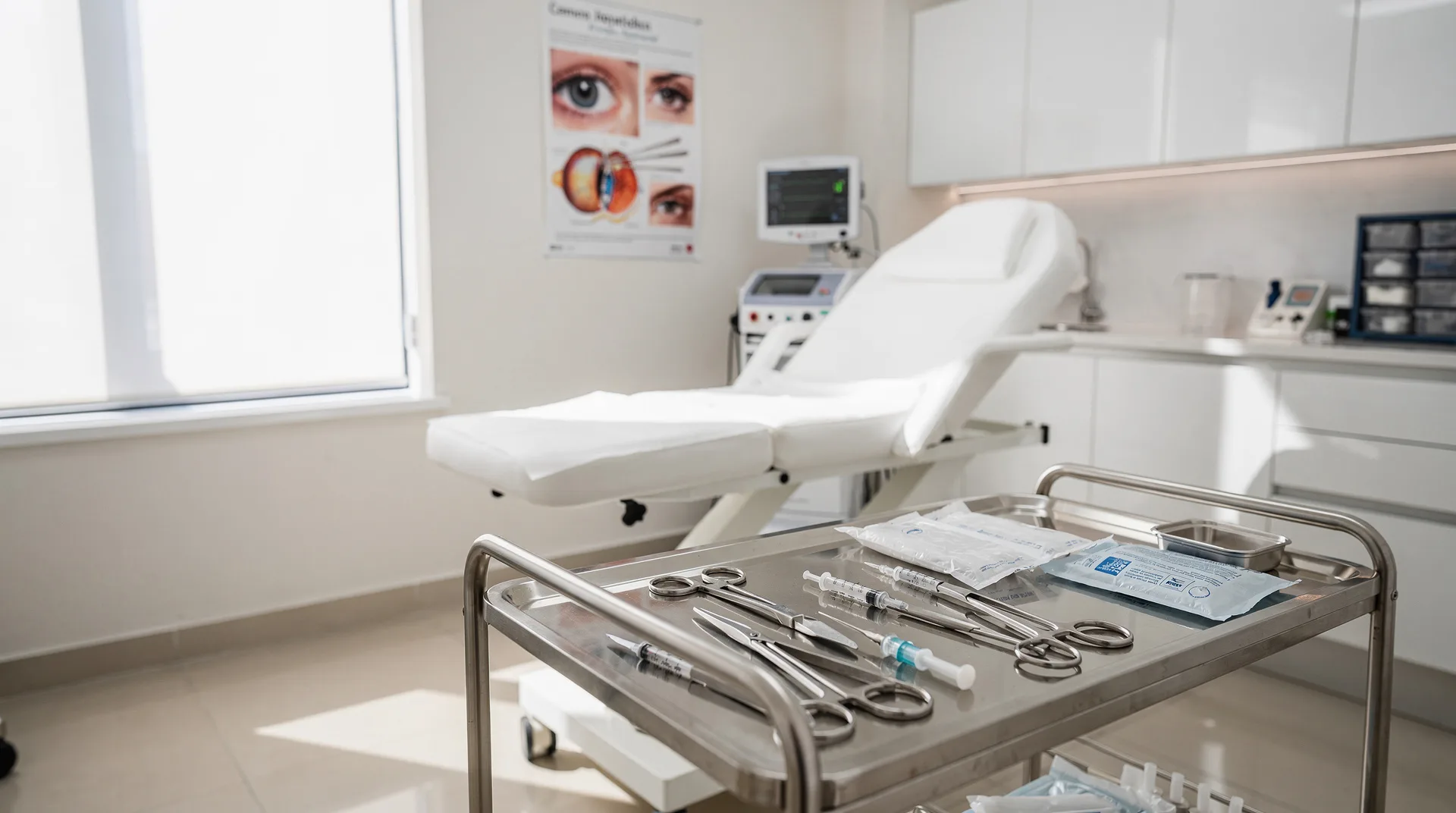
Nanolipofilling and Facial Lipofilling
Lipofilling involves harvesting your own fat from a discreet area (abdomen, thighs) and reinjecting it into the face. This technique has the advantage of being perfectly biocompatible because it uses your own tissues. Nanolipofilling is a finer variant, suited to delicate areas such as the temples or the eye contour.
The procedure lasts between 60 and 90 minutes under local or light general anesthesia depending on the case. Results appear gradually over 3 to 6 months as part of the fat graft is naturally reabsorbed. The price varies according to the areas treated and the technique used, generally between 2,500 and 4,500 euros, but only a personalized quote can specify the cost for your situation. Most patients resume their daily activities in 5 to 7 days, with possible social downtime of 2 to 3 weeks if needed.
Hyaluronic Acid for Hollow Under-Eye Areas
Hyaluronic acid injections represent a quick and reversible solution to treat hollow under-eye areas and sunken temples. This product naturally resorbs between 12 and 18 months, allowing you to adjust the treatment according to your evolution. The injection session lasts approximately 20 minutes and generally requires no time off work.
The first results are visible immediately, although slight edema disappears in 2 to 3 days. This approach is particularly suitable if you wish to test the volume effect before considering a more durable solution such as lipofilling. Your practitioner will adapt the type of hyaluronic acid and the quantity according to the area to treat and your facial morphology.
Personalized Care Protocol
Each face experiencing volume loss related to Ozempic treatment benefits from a tailored approach. Your surgeon first assesses your skin condition, the quality of the deep tissues, and your expectations before recommending a strategy.
Combining several techniques is often preferable: for example, lipofilling for the midface combined with hyaluronic acid injections for the under-eye area. Regular follow-up allows for volume adjustments over time. The goal remains a natural result where no one will guess that you have undergone medical treatment, but where you will regain the facial volume that characterizes your face. Prevention also plays an important role: adequate hydration, rigorous sun protection, and a balanced diet help preserve the results obtained.
When to Consult an Eye Area Specialist
It is preferable to consult a specialist when your weight has stabilized for at least three to four months.
This period allows the face to regain balance and for the specialist to assess the definitive changes. If you notice hollowing of the temples, rounding of features, or the appearance of more pronounced wrinkles, an early consultation can help you anticipate solutions.
Delay After Stopping Ozempic
After stopping Ozempic treatment, weight loss may continue for several weeks. The face then continues to slim down and the effects of Ozempic face may temporarily intensify.
Generally, it is necessary to wait between three and six months after weight stabilization to observe the final result on facial volume. This delay varies according to your age, your skin quality, and the extent of initial weight loss. Some people notice a progressive improvement of the Ozempic face once treatment is stopped, while others prefer to consult as soon as stabilization occurs to avoid overly marked facial aging.
Assessment of Facial Aging
The specialist evaluates several parameters to determine if treatment is necessary. They examine volume loss in the temples and cheeks, the appearance of more hollow under-eye areas, as well as the depth of wrinkles around the eyes and mouth.
Skin quality, elasticity, and hydration are also taken into account. A complete clinical examination makes it possible to distinguish natural aging from modifications related to rapid weight loss caused by Ozempic. This precise assessment guides toward the solutions best suited to your situation.
Treatment Selection Criteria
The choice of treatment depends on the intensity of facial volume loss from Ozempic and your personal expectations. For moderate hollowing, hyaluronic acid injections offer a natural, reversible result. For deeper wrinkles, other approaches may be proposed.
The specialist will explain the different options according to your age, skin type, and medical history. The cost varies according to the technique chosen and the amount of product required, which is why a personalized quote is always provided during consultation. The goal is to restore lost volume while preserving the harmony of your face.
Prevention and Support During Ozempic Treatment
Ozempic face represents a common side effect of rapid weight loss related to GLP-1 agonists.
Rather than waiting for signs to appear, it is entirely possible to act from the beginning of treatment to limit their intensity. Your pharmacist and doctor can guide you toward the solutions best suited to your situation.
Hydrating Care and Skin Support
Facial skin requires intensive hydration when losing volume. Opt for moisturizing creams rich in hyaluronic acid, ceramides, and stimulating peptides, to be applied morning and evening on a clean face.
Collagen-based treatments can also support skin firmness. Gentle facial massages, performed daily for 5 to 10 minutes, stimulate circulation and preserve tissue tonicity. Some patients notice significant improvement after 4 to 6 weeks of regular care.
Diet and Supplementation
A balanced diet plays a fundamental role in preserving your skin quality. Proteins, essential for maintaining muscle mass and skin structure, should be present at every meal.
Omega-3s, found in fatty fish and nuts, contribute to skin elasticity. Supplementation in vitamin C, zinc, and biotin can complement your dietary intake. Drink at least 1.5 liters of water per day to maintain optimal hydration of all your tissues.
Medical-Aesthetic Follow-Up
A dermatologist or medical-aesthetic doctor can propose suitable preventive treatments. Radiofrequency or LED sessions stimulate natural collagen production and help maintain skin firmness.
Light hyaluronic acid injections, performed preventively, help preserve facial volume before the appearance of deep wrinkles. The price of these interventions varies according to the clinics, ask for a personalized quote during your consultation. The important thing is to discuss this from the beginning of your Ozempic treatment to establish a preventive plan adapted to your weight loss rate and skin type.
Frequently Asked Questions about Ozempic Face
Q: What is Ozempic Face?
Ozempic face designates the alteration in facial appearance observed in some patients after significant weight loss following treatment with GLP-1 agonists such as Ozempic.
This phenomenon manifests primarily through facial volume loss, hollowing of the cheeks, and the appearance of more pronounced wrinkles. It is not a direct side effect of the medication, but rather a consequence of overall weight loss.
Q: Why does Ozempic treatment cause this volume loss?
Weight loss induced by Ozempic also affects the adipose tissues of the face. When one loses weight, subcutaneous fat decreases everywhere in the body, including in the face.
This Ozempic facial volume loss can give a tired or aged appearance because the skin no longer has the same support. People with a higher initial body mass index are more exposed to this phenomenon.
Q: How to correct Ozempic face?
Several solutions can treat the visible effects on the face. Hyaluronic acid injections restore lost volume in the cheeks and temples.
Radiofrequency or targeted ultrasound treatments that stimulate collagen production improve skin firmness. Your practitioner will recommend a personalized approach according to your situation. The price of hyaluronic acid injections generally varies between 300 and 800 euros per area, depending on the amount of product required.
Q: Is Ozempic face inevitable and temporary?
Ozempic face side effect is not inevitable and depends on several factors: extent of weight loss, age, initial skin elasticity, and genetics.
Slow and gradual weight loss generally allows the skin to adapt more. If you notice these alterations, it is best to discuss them with your treating practitioner to evaluate preventive or corrective options.
Q: How much do Ozempic face corrective treatments cost?
Prices depend greatly on the type of treatment chosen and the number of sessions required. For hyaluronic acid injections, plan generally between 400 and 1,200 euros according to the areas to treat.
Medical-aesthetic sessions such as radiofrequency cost on average 150 to 300 euros each. A personalized quote established during consultation allows obtaining a precise estimate adapted to your specific needs.
Conclusion: Treating Ozempic Face with a Specialist
Ozempic face represents a common and sometimes difficult-to-accept side effect for patients treated with GLP-1 agonists.
This Ozempic facial volume loss occurs when rapid weight loss exceeds the skin’s ability to adapt, creating a hollowed and aged appearance. Understanding this mechanism helps to dramatize these changes less and act positively.
Fortunately, solutions exist to restore hydration and facial volume.
Aesthetic medicine treatments, such as hyaluronic acid injections or skin boosters, allow for filling hollowed areas and deeply rehydrating the skin. Your practitioner can guide you toward the approach best suited to your situation, according to your morphology and expectations.
If you notice modifications from your Ozempic treatment and this concerns you therapeutically, do not wait to discuss it at your next consultation.
A specialist can assess your skin condition and propose a personalized plan. Treatment prices vary according to the techniques used and the extent of areas to treat, which is why a detailed quote is always recommended.
These facial changes are not inevitable. With appropriate support, it is entirely possible to regain a harmonious and full face while continuing to benefit from the positive effects of your treatment on your overall health.
This information does not replace a personalized medical consultation.
To learn more about the subject, also consult Nanolipofilling Ozempic face Paris and Hyaluronic acid under-eye area.
This article was written by the team of Dr Bernard Hayot, surgeon and former Head of Clinical in Ophthalmology, specialist in oculo-plastic surgery in Paris. The information presented comes from recognized medical sources (HAS, PubMed) and is regularly updated. Last update: March 2026.
0 Comments