The different blepharoplasty techniques

2020-01-282 min read

Before / after

Real cases from the practice, unretouched, framed on the treated area only. Each result is individual and does not predict yours.
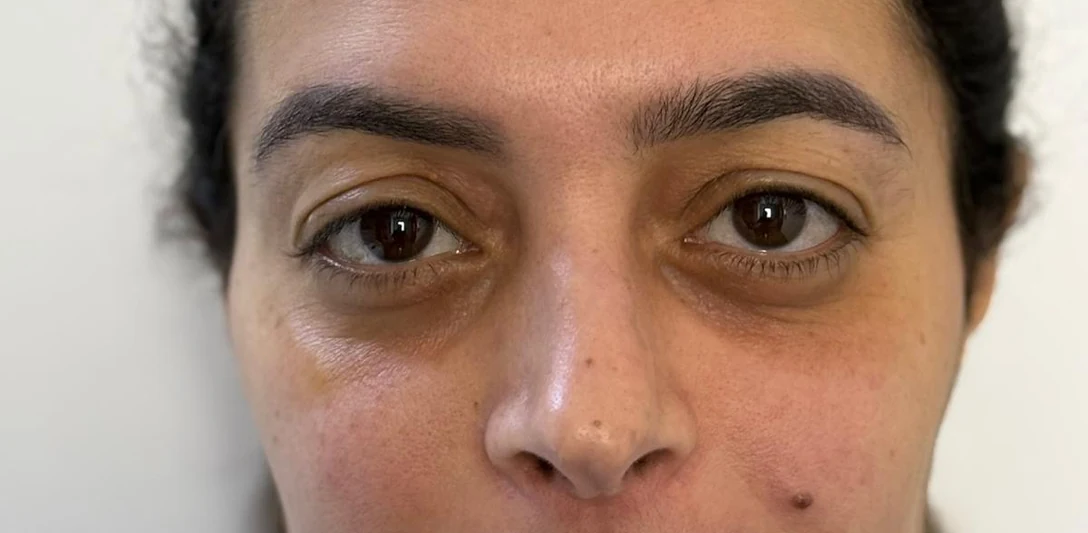
BeforeBefore: Addition blepharoplasty of all four eyelids
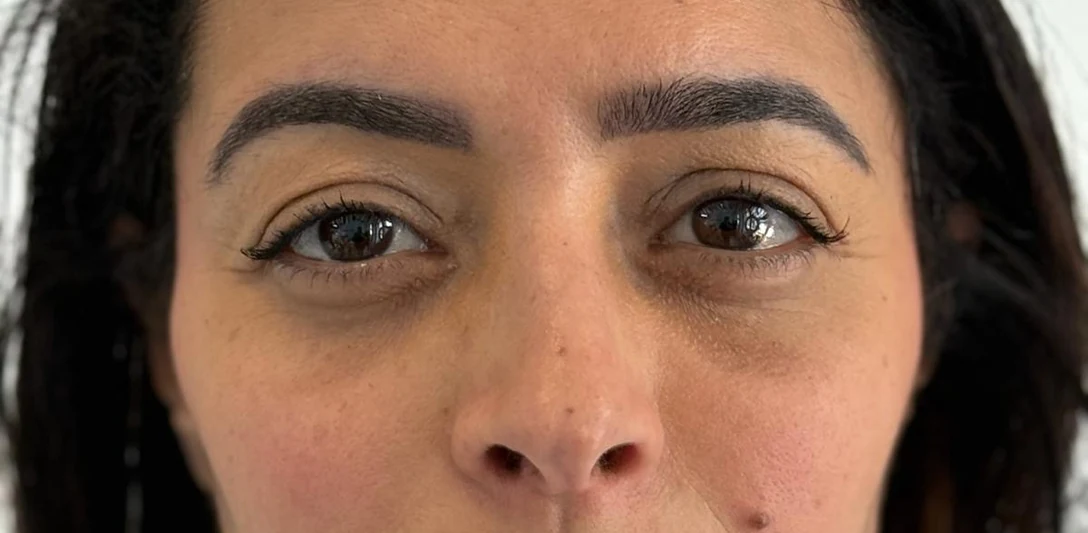
AfterAfter: Addition blepharoplasty of all four eyelids
Addition blepharoplasty of all four eyelids
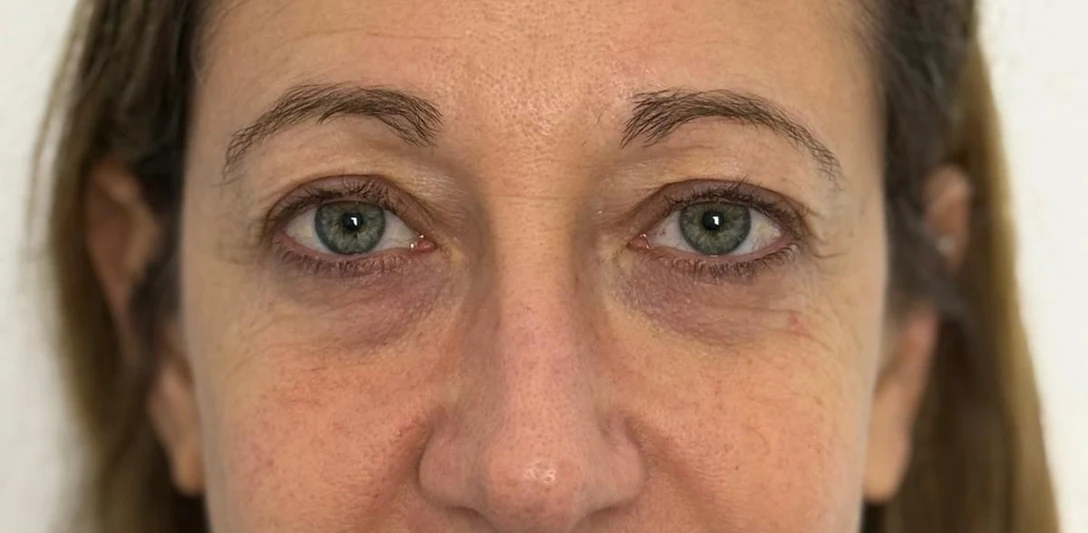
BeforeBefore: Restorative lower blepharoplasty · front view
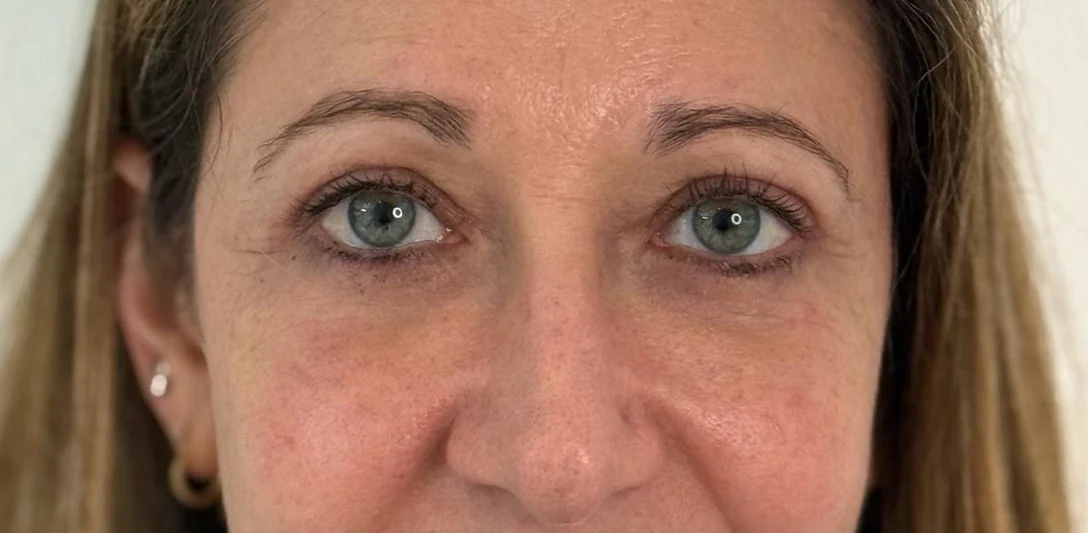
AfterAfter: Restorative lower blepharoplasty · front view
Restorative lower blepharoplasty · front view

Written and reviewed by Dr Bernard Hayot, ophthalmologist, RPPS 10003926226.

How does cosmetic surgery beautify the eyes?

Blepharoplasty is one of the most widely performed aesthetic procedures in France and around the world. Its ability to adapt to every type of patient, doe-eyed, hollow-eyed, bulging, round or “cocker spaniel”, makes it possible to beautify the eyes. Tailor-made surgery takes the whole upper third of the face into account, from the forehead to the cheekbones.

Eyelid & oculoplastic surgery is generally recommended if the aim is to remove puffiness, fill hollow dark circles, mask their colouring, smooth wrinkled eyelids, remove excess skin, smooth wrinkles around the eye or treat drooping eyelids.

Choosing the right oculoplastic surgeon is the key to a successful blepharoplasty. As an eye surgeon, Dr Hayot has been practising eyelid & oculoplastic surgery as a hyper-specialist for over 30 years. His experience, his analytical skills, his mastery of the most nuanced gestures and his tailor-made approach allow him to operate “to the millimetre”, while giving natural results in line with patients’ wishes.

Blepharoplasty: a wide range of techniques

Many blepharoplasty techniques are available. Here are those performed by Dr Hayot.

Addition blepharoplasty

Addition blepharoplasty corrects the loss of volume in the eyelids by injecting autologous fat. The procedure is applied to the upper and/or the lower eyelids and completes the standard blepharoplasty steps: removal of the upper eyelid skin fold if necessary, removal of the bags, filling of the dark circles, and so on.

Pinch blepharoplasty

Pinch blepharoplasty is used on the lower eyelid when it is creased, wrinkled or crinkled. This procedure involves removing excess skin, but without detaching the skin or the orbicularis muscle. Pinch blepharoplasty is often combined with other procedures, such as transconjunctival removal of the bags or volumetric microlipostructure of the eye rim.

Upper eyelid blepharoplasty

When sagging of the upper eyelid is linked to an accumulation of skin and fat, a classic upper blepharoplasty is indicated. The procedure involves removing a spindle of skin and muscle and carefully concealing the scar in the eyelid crease.

Lower eyelid blepharoplasty

Lower eyelid blepharoplasty is indicated when the lower eyelid is crumpled, wrinkled or sagging, hollowed out by dark circles, or accentuated by unsightly malar bags. For each of these problems, Dr Hayot provides a personalised answer, tailored to the patient and to the specific features of their eyes.

Treatments for dark circles and puffiness: even more options!

While the main objectives are to reduce dark circles and puffiness. For example, lipofilling, or micro-lipofilling, is the most appropriate answer to the problem of hollow dark circles. A small amount of fat is harvested from the patient (abdomen, knees, thighs), then transferred to the lower eyelid and/or the tear trough.

To mask the discolouration of dark circles, Dr Hayot usually proposes nano-lipostructure, or nano-lipofilling. The technique involves coating the dark circles with a solution of stem cells and growth factors derived from the patient’s own fat.

Finally, effective treatment of under-eye bags involves transconjunctival surgery, without a skin incision. This operation requires the use of a CO2 laser scalpel.

This page is for information. It does not replace a consultation: every situation is judged on examination.

Read more

The full text by Dr Hayot

The detailed version published on the site, kept in full. Each chapter unfolds.

How does cosmetic surgery beautify the eyes?
Blepharoplasty is one of the most widely performed aesthetic procedures in France and around the world. Its ability to adapt to every type of patient - doe-eyed, hollow-eyed, bulging, round or "cocker spaniel" - makes it possible to beautify the eyes. Tailor-made surgery takes into account the entire upper third of the face, from forehead to cheekbones. Eye surgery is generally recommended if the objective is to eliminate puffiness, fill in dark circles, mask their colouring, smooth out wrinkled eyelids, remove excess skin, smooth out wrinkles around the eye, treat drooping eyelids, etc. Choosing the right plastic surgeon is the key to a successful blepharoplasty operation. As an eye surgeon, Dr Hayot has been practising eye surgery as a hyper-specialist for over 30 years. His experience, his analytical skills, his mastery of the most nuanced gestures and his tailor-made approach enable him to intervene "to the millimetre", while offering natural results in line with patients' wishes.
Blepharoplasty: a wide range of techniques
Many blepharoplasty techniques are available. Here are those performed by Dr Hayot.

Addition blepharoplasty

Addition blepharoplasty corrects the loss of volume in the eyelids by injecting autologous fat. The procedure is applied to the upper and/or the lower eyelids and completes the standard blepharoplasty steps: removal of the upper eyelid skin fold if necessary, removal of the bags, filling of the dark circles, and so on.

Pinch blepharoplasty

Pinch blepharoplasty is applied to the lower eyelid when it is creased or wrinkled. This surgical procedure involves removing excess skin, but without detaching the skin or orbicularis muscle. Pinch blepharoplasty is often combined with other procedures, such as transconjunctival bag removal or volumetric microlipostructure of the eye rim.

Upper eyelid blepharoplasty

When sagging of the upper eyelid is linked to an accumulation of skin and fat, a classic upper blepharoplasty is indicated. The procedure involves removing a spindle of skin and muscle and carefully concealing the scar in the eyelid crease.

Lower eyelid blepharoplasty

Lower eyelid blepharoplasty is indicated when the lower eyelid is crumpled, wrinkled or sagging, hollowed out by dark circles, or accentuated by unsightly malar bags. For each of these problems, Dr Hayot provides a personalised answer, tailored to the patient and to the specific features of their eyes.
Treatments for dark circles and puffiness: even more options!
While the main objectives are to reduce dark circles and puffiness, other types of surgery are also possible. For example, lipofilling (or micro-lipofilling) is the most appropriate response to the problem of hollow dark circles. A small amount of fat is removed from the patient (abdomen, knees, thighs), then transferred to the lower eyelid and/or tear trough. To mask the discolouration of dark circles, Dr Hayot usually proposes nano-lipostructure (or nano-lipofilling). The technique involves coating the dark circles with a solution of stem cells and growth factors derived from the patient's own fat. Finally, effective treatment of under-eye bags involves transconjunctival surgery (without skin incision). This operation requires the use of a CO2 laser scalpel.