
Treatment of dark circles: From aesthetic medicine to cosmetic surgery
Written and reviewed by Dr Bernard Hayot, ophthalmologist, RPPS 10003926226.
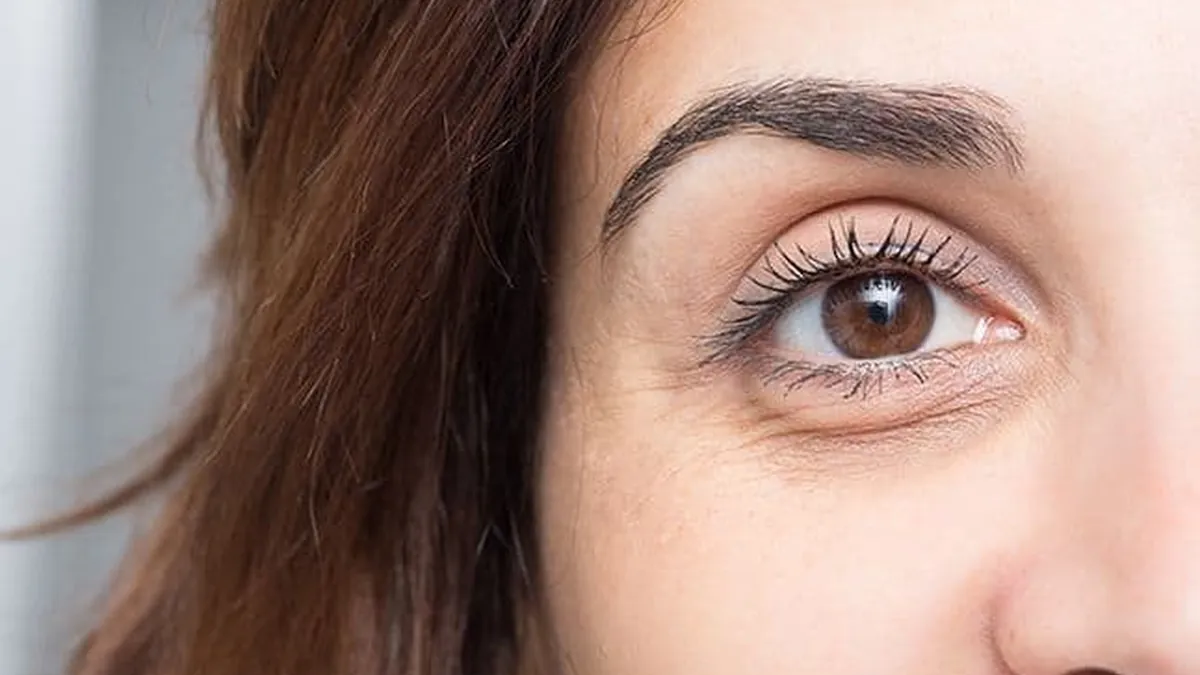
Dark circles under the eyes: causes and consequences
Why do dark circles under the eyes deepen over time? Why are dark circles coloured, and where does this colouring come from? Brown, bluish, purple or red dark circles: what is the difference? Dr Bernard Hayot explains:
“Hollow dark circles result from a lack of subcutaneous fat and are sometimes linked to facial ageing, but sometimes they are hereditary. Blue or violet dark circles, on the other hand, are linked to the transparency of skin that is too thin, revealing bluish micro-veins. When I diagnose red circles under the eye, I know that they are generally linked to micro-capillaries at the inner corner of the eye, and that they are even more visible when the lower eyelid is pulled down. Finally, brown dark circles are inherent to the patient’s ethnic origin. The phenotype of Indian, North African and Latin American patients is particularly conducive to the appearance of dark circles under the eyes.”
Dark circles are therefore not linked to fatigue, stress, anxiety or a poor lifestyle alone. Aesthetic physicians agree that permanent dark circles are caused by abnormal blood circulation that alters the lymphatic channels. Pigmented dark circles are therefore also linked to the blood vessels visible in the connective tissue.
Finally, alcohol and tobacco consumption are also thought to aggravate hollow dark circles and bags under the eyes.
Black or dark circles: the best treatment
The lower eyelid is a thin, fragile membrane, and when the eyes show dark, almost black circles, the face looks aged and tired. Dr Hayot, eye surgeon, gives us his recommendations: “Dark circles are often accompanied by a loss of volume in the upper third of the face. Anti-dark-circle creams do not work. I prefer to prescribe medical cosmetology treatments and to rely on aesthetic medicine to offer my patients a truly effective solution. Hyperpigmented dark circles can be treated with the Amelan® depigmenting eye contour peel.
All about the Amelan peel
- Where to have a peel?
The peel is performed at the Centre esthétique Paris. - How long does a lightening peel take?
A one-hour treatment session. - How many sessions are required?
Depigmenting peels are effective from the third session onwards. The number of sessions varies according to the colour of the dark circles and each patient’s indications.
Violet or blue dark circles: the best treatment
Thin skin, poor blood circulation and ageing of the eyes are the main known causes of purple dark circles. “This type of dark circle is often accompanied by a bag under the eye and a puffy eyelid appearance,” says the ophthalmologist. Blue dark circles are often more apparent with lack of sleep and hormonal changes.
As a preventive measure, these patients should avoid drugs and alcohol and eat a healthy, light, low-salt diet, to help the lymphatic system work properly and avoid bags under the eyes.
To erase purple dark circles permanently, the skin around the eyelids needs to be thickened. Several effective solutions are available:
- Avène’s Correcteur Couvrance, concentrating on the inner corner of the eye.
- Fractional laser sessions to thicken the dermis and reduce the visibility of the venous capillaries.
- Surgery: removing the under-eye bag and filling the dark circles with lipofilling, to reduce the transparency effect.
Red dark circles: the best treatment
Red dark circles are very similar to purple or blue dark circles, and the most effective treatments are the same:
- Covering make-up to brighten the eyes, focusing on the lower corner of the eye.
- KTP laser sessions in the expert hands of an aesthetic physician, to reduce the micro-capillaries and the redness.
- Surgery to remove dark circles using fat injections: everything you need to know about lipofilling
To find out more about the treatment of dark circles using aesthetic medicine, or for any cosmetic eyelid surgery procedure, make an appointment with Dr Bernard Hayot.
Frequently asked questions about dark circles
Dark circles and puffiness: what is the difference?
The big difference between dark circles and bags is that a bag is a swelling and a dark circle is a hollow. Think of the bag as a mountain and of the dark circle as a valley. Treating puffiness and dark circles therefore means removing the mountain and bringing the valley up to “sea level”.
How are hollow dark circles treated?
Hollow dark circles are treated solely by microlipofilling, that is to say by injecting the patient’s own fat.
Because the skin is so thin in this area, I never inject hyaluronic acid, for three reasons:
- Hyaluronic acid will not be reabsorbed.
- Over time it behaves like a sponge and swells.
- It shows through virtually transparent skin, giving a bluish effect, the Tyndall effect, that is completely unsightly.
In my opinion, one of the treatments for hollow dark circles is micro-lipostructure.
I am convinced that it is the nature of my work, always at night, that causes my dark circles. Should I treat them regularly? Laser or lipofilling?
It is rarely the nature of the work that leads to dark circles. It is more often weight loss, ageing or genetics. If you are very tired, you may have blood stasis and a darker colouring than usual, but this is rarely due to the nature of your work. It is of course possible to remove a dark circle permanently by injecting the patient’s own fat.
This page is for information. It does not replace a consultation: every situation is judged on examination.