Which areas of the face are most frequently treated with Botox?

2023-03-102 min read

Written and reviewed by Dr Bernard Hayot, ophthalmologist, RPPS 10003926226.
Which areas of the face are most frequently treated with Botox?

What is botulinum toxin?

Botox is the trade name for botulinum toxin, a substance secreted by the bacterium Clostridium botulinum. It is a protein whose main property is to paralyse muscle. The molecule blocks the release of neurotransmitters at the neuromuscular junction, preventing even involuntary movement. Used in low doses in the form of injections, it produces a targeted paralysis in a precise area of the body.

Botulinum toxin was originally used mainly in ophthalmology, to treat patients with blepharospasm (involuntary contractions of the eyelid). Because it inhibits muscle activity, its use has since developed in aesthetic medicine, for the treatment of facial wrinkles.

What are the different uses of Botox in aesthetic medicine?

The main use ofBotox in aesthetic medicine is the treatment of facial expression lines, also known as dynamic wrinkles. This is the most common reason for consultation. Expression lines are caused by the repeated contraction of certain muscles when we make a particular expression: a smile, a frown, a look of surprise, and so on.

With botulinum toxin, these often unconscious contractions are blocked, resulting in smoother skin and a more youthful appearance. Botox does not, of course, prevent you from smiling or from showing a natural expression.

Another frequent indication for this molecule is hyperhidrosis, better known as excessive sweating. This common problem is treated by inhibiting the sweat glands with botulinum toxin.

Finally, aesthetic medicine also uses Botox to soften an excessively square jaw. The injection is given into the masseter muscle, whose prominence contributes to the square appearance of the face. This indication generally concerns women who are self-conscious about the masculine appearance of a jaw they consider too heavy.

Which areas of the face are most frequently treated with Botox?

The areas of the face most frequently treated with Botox are:

  • The forehead, to reduce the horizontal wrinkles caused by involuntary activity of the frontalis muscle
  • The area between the eyebrows, where Botox helps reduce the glabellar lines that give the face a severe expression
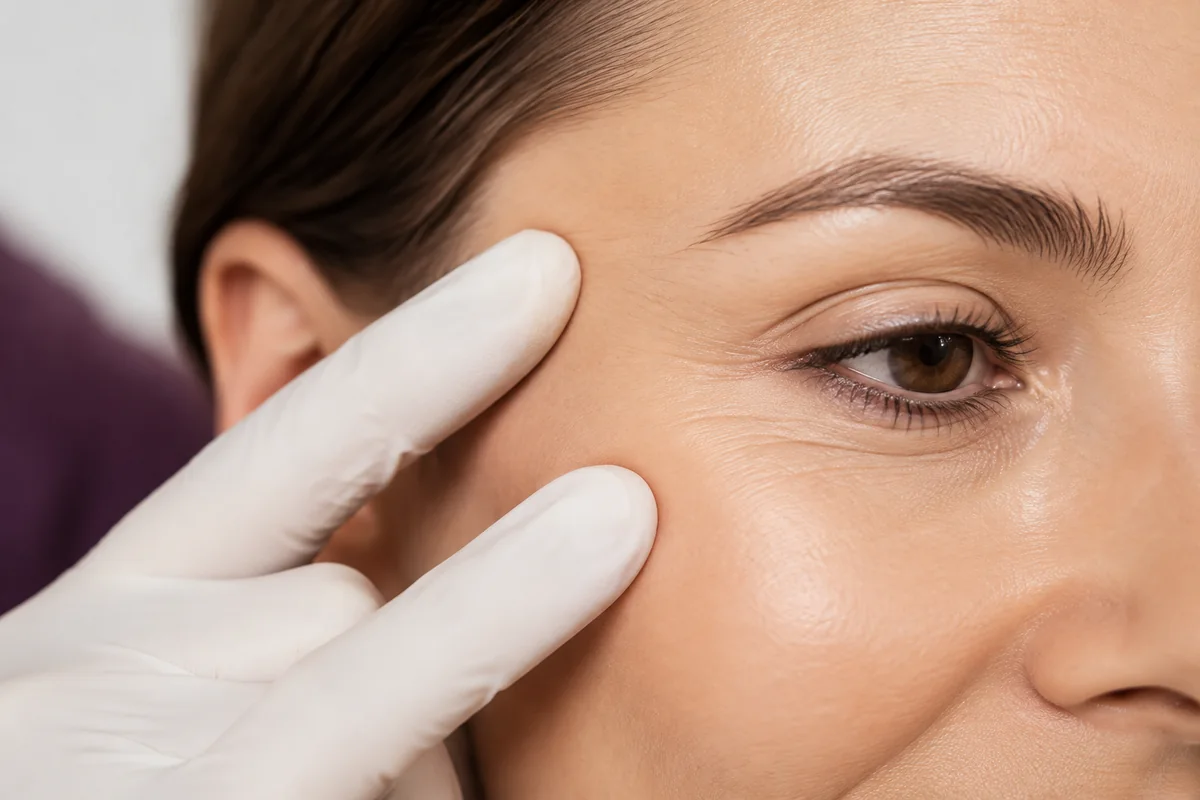
  • The eye contour, where crow’s feet appear, small furrows that contribute to the ageing of the eyes
  • The jaw, where the prominence of the masseter can give some women a masculine appearance they find distressing

This list is not exhaustive: these are the most common indications for botulinum toxin, and they correspond to the reasons why patients consult us.

Why choose Dr Hayot for facial Botox injections?

Botulinum toxin injection is the reference treatment for correcting expression lines and softening the contours of the jaw. The technique requires impeccable expertise and a keen eye for detail, to avoid over-correction.

Dr Hayot has been performing Botox injections for over 25 years. His practice combines medical rigour with a highly developed aesthetic sense, to achieve a natural result whatever the area treated. Your wrinkles are visibly reduced, without compromising your natural expression.

This page is for information. It does not replace a consultation: every situation is judged on examination.

Read more

The full text by Dr Hayot

The detailed version published on the site, kept in full. Each chapter unfolds.

What is botulinum toxin?
Botox is the trade name for botulinum toxin, a substance secreted by the bacterium Clostridium botulinum. It is a protein whose main property is to act as a muscle paralyzer. This molecule blocks the release of neurotransmitters at neuromuscular junctions, preventing even involuntary movement. Used in low doses in the form of injections, it produces a targeted paralysis in a precise area of the body. Originally, botulinum toxin was mainly used in ophthalmology, to treat patients suffering from blepharospasm (involuntary eyelid contractions). Because it inhibits muscular activity, its use has developed in the field of aesthetic medicine, for the treatment of aesthetic facial wrinkles.
What are the different uses of Botox in aesthetic medicine?
The main use ofBotox in aesthetic medicine is the treatment of facial expression lines, also known as dynamic wrinkles. This is the most common reason for consultation! Indeed, expression lines are caused by the repeated contraction of certain muscles when we display a particular expression (smile, frown, expression of surprise, etc.). With botulinum toxin, these often unconscious contractions are blocked, resulting in smoother skin and a more youthful appearance. Of course, Botox does not prevent you from smiling or showing a natural expression. Another frequent indication for this molecule is hyperhidrosis, better known as excessive sweating. This frequent problem is treated by inhibiting the sweat glands with botulinum toxin. Finally, aesthetic medicine also uses Botox to soften overly square jaws. The injection is made into the masseter muscle, whose prominence contributes to the square appearance of the face. This indication generally concerns women who have a complex about the masculine appearance of their jaws, which are considered too thick.
Which areas of the face are most frequently treated with Botox?
The areas of the face most frequently treated with Botox are:
  • The forehead, to reduce the horizontal wrinkles caused by involuntary activity of the frontalis muscle
  • The area between the eyebrows, where Botox helps reduce the glabellar lines that give the face a severe expression
  • The eye contour, where crow's feet wrinkles appear, small furrows that contribute to the aging of the eyes.
  • The jaw, where the prominence of the masseter can give some women a masculine appearance they find distressing
This list is not exhaustive: these are the most common indications for botulinum toxin, and they correspond to the reasons why patients consult us.
Why choose Dr Hayot for facial Botox injections?
Botulinum toxin injection is the reference treatment for correcting expression lines and softening jaw contours. This technique requires impeccable expertise and a keen eye for detail, to avoid over-correction. Dr Hayot has been performing Botox injections for over 25 years. His practice combines medical rigor with a highly developed aesthetic sense, to achieve a natural result whatever the area treated. Your wrinkles are visibly reduced, without compromising your natural expression.