Why isn’t the effect of hyaluronic acid permanent?

2022-12-272 min read

Written and reviewed by Dr Bernard Hayot, ophthalmologist, RPPS 10003926226.
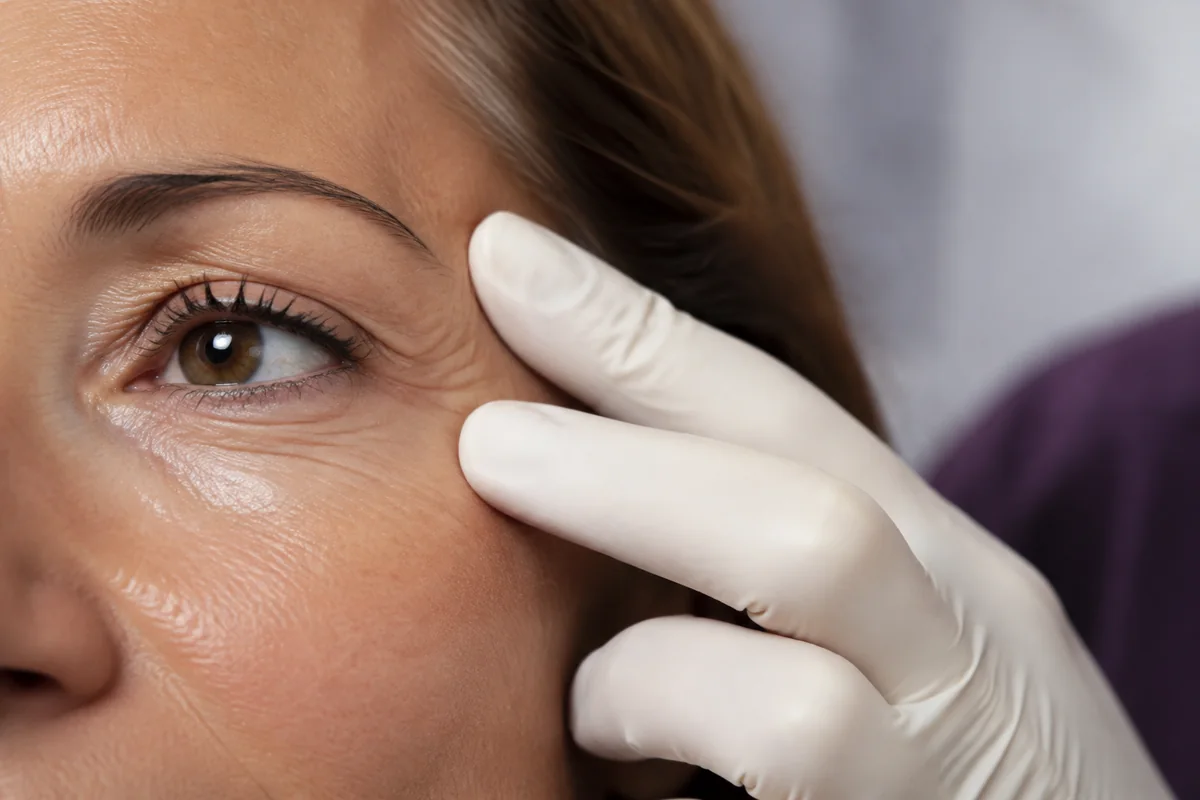
Why isn’t the effect of hyaluronic acid permanent?

What role does hyaluronic acid play in the human body?

Hyaluronic acid is a sugar-derived molecule found in the human body. It gives the skin its volume and preserves its elasticity. The body naturally produces less and less of it as we age.

Hyaluronic acid is used in aesthetic medicine to hydrate the skin and maintain its elasticity and texture. Hyaluronic acid injections restore facial volume without puffiness.

Several types of hyaluronic acid are used, depending on the area of the face to be treated and on the patient’s needs.

It is a natural treatment that is resorbed, just like the hyaluronic acid naturally present in the body. This makes the treatment reversible. Its effect gradually fades after one year, so the injection has to be repeated after a certain time to maintain the benefits.

Hyaluronic acid also has dermatological benefits: it hydrates the skin and gives patients’ faces a new radiance.

How is hyaluronic acid used in aesthetic medicine?

Hyaluronic acid is injected into the face with a syringe to fill wrinkles and smooth the crease they create. A session generally lasts 20 to 30 minutes, depending on the number of injections required. The results are immediately visible and the patient can resume normal activity as soon as the session is over. It is advisable to massage the treated area after the session to prevent swelling and bruising.

The body has no difficulty absorbing this product, as it is naturally present in the body. Hyaluronic acid naturally rejuvenates the face for around a year. Different types of hyaluronic acid (of different densities) are used depending on the area of the face to be treated.

Injections can be used to treat:

  • Crow’s feet (eyes).
  • Forehead wrinkles.
  • Glabellar lines (between the eyebrows)
  • Nasolabial folds.
  • Folds around the mouth
  • Fine lines around the lips.

Why isn’t the effect of hyaluronic acid permanent?

Like sugar in the body, hyaluronic acid is naturally present in the human body. As a result, once absorbed by the body, the product gradually dissolves and its effects wear off over time.
This gives the treatment the advantage of being reversible. Nevertheless, to maintain the effects of hyaluronic acid over time, the injections have to be repeated regularly.

How long does it take for the effects of hyaluronic acid to fade?

How long the effects of hyaluronic acid last depends on several factors:

  • The area of the face treated by the injection.
  • The age of the patient treated
  • The quantity and the type (density) of hyaluronic acid used during treatment.
  • The patient’s skin type.
  • The number of wrinkles treated on the patient’s face.
  • The patient’s lifestyle (fatigue, medication, alcohol, etc.)
  • The patient’s state of health (illness, disorders, sun exposure, etc.)

Generally speaking, the effects of hyaluronic acid fade after 8 to 10 months. A new injection is then required.

This page is for information. It does not replace a consultation: every situation is judged on examination.

Read more

The full text by Dr Hayot

The detailed version published on the site, kept in full. Each chapter unfolds.

What role does hyaluronic acid play in the human body?
Hyaluronic acid is a sugar-derived product found in the human body. It gives the skin its volume and preserves its elasticity. The body naturally produces less and less of it as we age. Hyaluronic acid is used in aesthetic medicine to hydrate the skin and maintain its elasticity and texture. Hyaluronic acid injections enable the reconstruction of facial volume without puffiness. There are several types of hyaluronic acid used depending on the area of the face to be treated and the needs presented by patients. It's a natural treatment that resorbs itself, just like the one naturally present in the body. This makes the treatment reversible. The effect of hyaluronic acid gradually fades after one year. It is therefore necessary to repeat the injection after a certain time to preserve the effects of the treatment. Hyaluronic acid also has dermatological benefits, hydrating the skin and giving a new radiance to patients' faces.
How is hyaluronic acid used in aesthetic medicine?
Hyaluronic acid is injected into the face using a syringe to fill in wrinkles and remove the fissure caused by them. A session generally lasts 20 to 30 minutes, depending on the number of injections required. The results of the treatment are immediately visible, and the patient can resume normal activity as soon as the session is over. It is advisable to massage the treated area after the session to prevent swelling and bruising. The body has no trouble digesting this product, as it is naturally present in the body. Hyaluronic acid naturally rejuvenates the face for around a year. Different types of hyaluronic acid (of different densities) are used depending on the area of the face to be treated. Injections can be used to treat:
  • Crow's feet (eyes).
  • Forehead wrinkles.
  • Lion's wrinkle (between the eyebrows)
  • Nasolabial folds.
  • Folds around the mouth
  • Fine lines around the lips.
Why isn't the effect of hyaluronic acid permanent?
Like sugar in the body, hyaluronic acid is naturally present in the human body. As a result, once ingested by the body, the treatment gradually dissolves and its effects wear off over time. This quality gives the treatment the advantage of being reversible. Nevertheless, to maintain the effects of hyaluronic acid over time, it is necessary to repeat the injections regularly.
How long does it take for the effects of hyaluronic acid to fade?
How long the effects of hyaluronic acid last depends on several factors:
  • The area of the face treated by the injection.
  • The age of the patient treated
  • The quantity and the type (density) of hyaluronic acid used during treatment.
  • Patient's skin type.
  • The number of wrinkles treated on the patient's face.
  • Patient's lifestyle (fatigue, medication, alcohol, etc.)
  • Patient's state of health (illness, disorders, sun exposure, etc.)
Generally speaking, the effects of hyaluronic acid fade after 8 to 10 months. A new injection is then required.