How do I maintain lipofilling?

2022-04-193 min read

Before / after

Real cases from the practice, unretouched, framed on the treated area only. Each result is individual and does not predict yours.
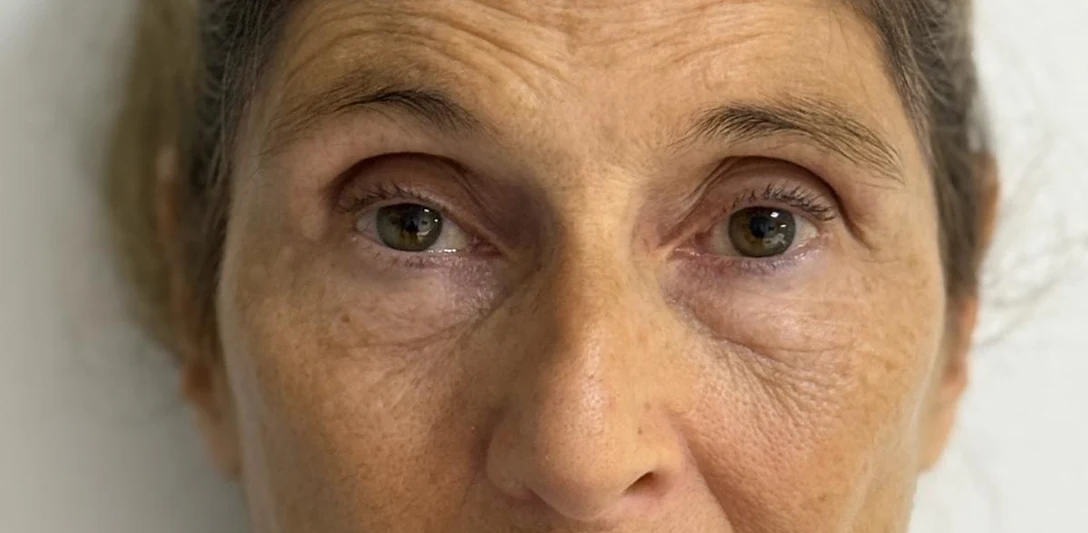
BeforeBefore: Hollow eyes and volume restoration with fat · front view
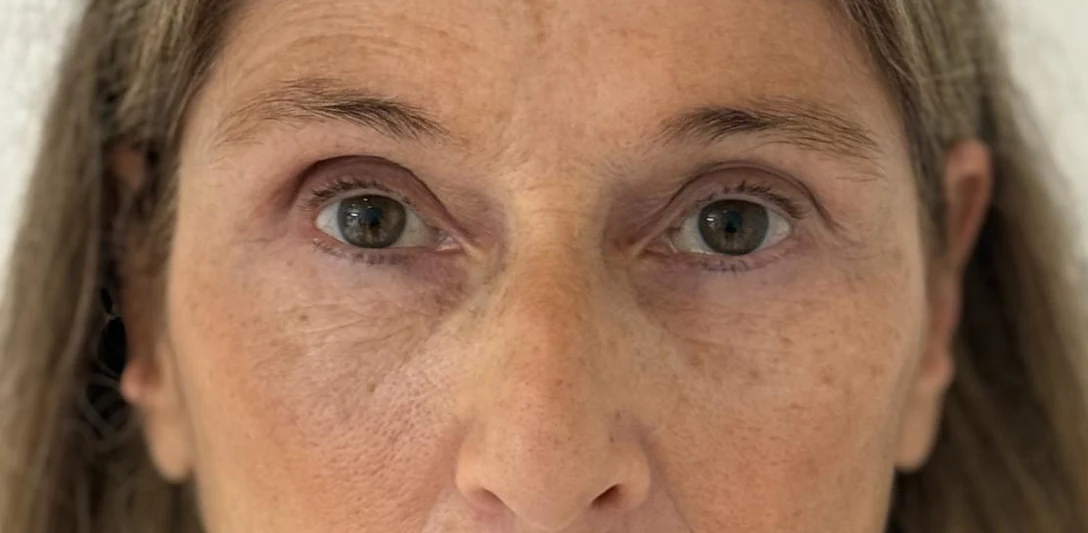
AfterAfter: Hollow eyes and volume restoration with fat · front view
Hollow eyes and volume restoration with fat · front view
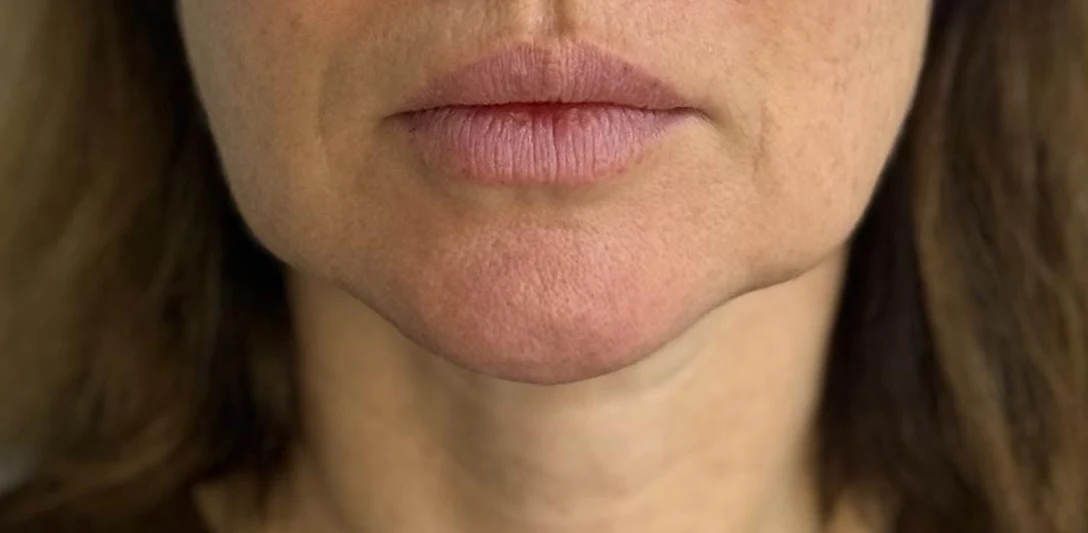
BeforeBefore: Restoring the facial oval with fat
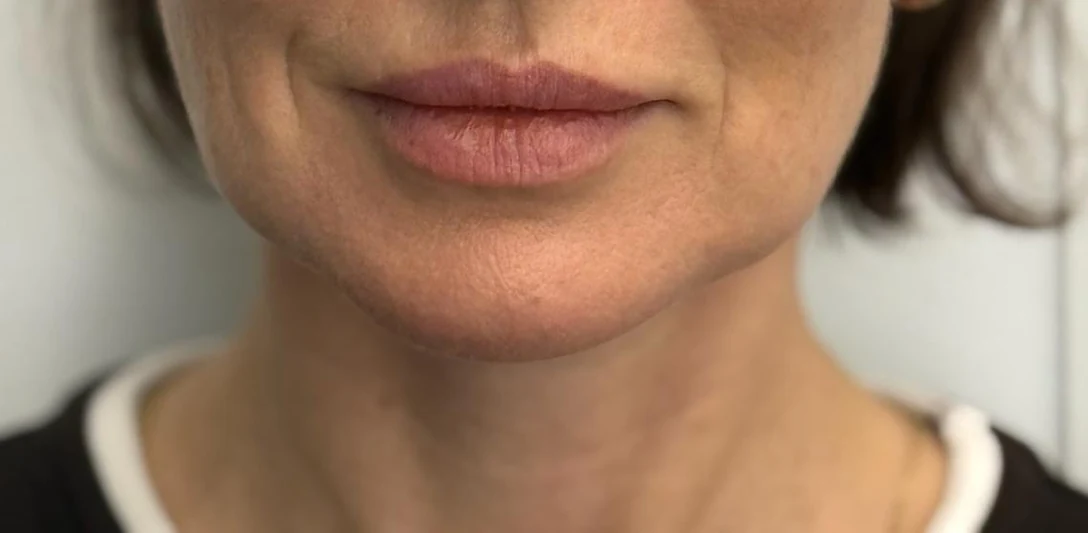
AfterAfter: Restoring the facial oval with fat
Restoring the facial oval with fat

Written and reviewed by Dr Bernard Hayot, ophthalmologist, RPPS 10003926226.

How does lipofilling work to rejuvenate the face?

Lipofilling involves removing the patient’s fat from an area of the body where it is in excess and reinjecting it into other areas where it is lacking.

As this is an autologous transplant, the donor and the recipient of the fat cells being the same person, there is a very limited risk of foreign-body rejection.

Injected fat has a dual effect:

  • A volume effect to create new reliefs or fill in areas that have melted;
  • A trophic effect, as the stromal fraction of adipose tissue is very rich in stem cells, with rejuvenating and regenerating properties.

As facial skin ages, fibroblast activity declines, which results in a loss of elasticity and firmness, while the face hollows under the combined effect of the loss of hyaluronic acid in the dermis and of adipose tissue in the hypodermis.

Lipofilling will therefore treat the main signs of facial ageing at their roots:

  • Its volumising effect helps restore facial volume and rework a sagging oval, for example by restoring volume to sunken cheekbones;
  • Its filling effect eliminates hollow circles and static wrinkles, such as the nasolabial fold;
  • Its trophic effect helps improve skin quality by boosting the activity of the dermal fibroblasts; nano-lipofilling, which uses small volumes rich in stem cells, enhances the radiance of the skin and the luminosity of the face.

What are the different types of facial lipofilling?

Volumising lipofilling aims to restore volume:

Or to enhance the face, for example by creating contours that were previously absent. This is possible with medical genioplasty, to give a little projection to a receding chin (retrogenia).

Volumising lipofilling is a minimally invasive technique, but it requires a patient with enough localised excess fat for the procedure to be carried out. The abdomen or the thighs are often the site of choice.

It is a simple solution to:

  • Rejuvenate a face by restoring lost volume, either in isolation (volumetry of the oval of the face) or as a complement to a cervico-facial lift;
  • Rejuvenate hollowed eyes, for example by using addition blepharoplasty to treat hollow circles that darken and harden the eyes.

Filling lipofilling involves smaller volumes, which makes it feasible for most patients, even the leanest: the fat is taken from the hollow of the knee.

Unlike hyaluronic acid injections, the results are long-lasting, whether for filling hollow dark circles or static facial wrinkles such as the tear trough or the nasolabial fold.

Nano-lipofilling or nanofat-grafting focuses on even smaller volumes, in order to benefit not from the volumising effect of the fat cells but from their trophic effect. This innovative and entirely natural technique not only fills small wrinkles, but also helps the skin regenerate, thanks to natural growth factors and stem cells. In just a few weeks the skin is rejuvenated and regains its contours, its firmness and its radiance, enhancing the youthfulness of the eyes, in the treatment of dark circles for example, or of the whole face.

Dr Hayot considers nano-lipofilling to be the only truly effective and long-lasting method of removing dark circles.

How to enhance the results of lipofilling?

The rest of the graft, on the other hand, is permanent, and gives a lasting and spectacular result.

However, Dr Hayot advises following a few rules to enhance the effect over time:

  • It is important to follow the post-operative advice, with the possibility, if necessary, of a touch-up after 3 to 6 months;
  • As loss of volume is the main factor in ageing, the skin must be kept well hydrated with a fluid hyaluronic acid that nourishes the dermis, while protecting it from the harmful effects of UV rays;
  • Although the grafting of adipocytes is permanent and lasting, it should not be forgotten that their volume can vary upwards, in the event of weight gain, or downwards, in the event of weight loss. That is why it is important to maintain a healthy lifestyle, to ensure a stable weight and perfectly refreshed features, thanks to the rejuvenating effects of facial lipofilling.

Protocols, dosages and fees are never published here: they are determined at the consultation, after examination, and provided in writing in the quotation.

This page is for information. It does not replace a consultation: every situation is judged on examination.

Read more

The full text by Dr Hayot

The detailed version published on the site, kept in full. Each chapter unfolds.

How does lipofilling work to rejuvenate the face?
Lipofilling involves removing the patient's fat from an area of the body where it is in excess, and reinjecting it into other areas where it is lacking. As this is an autologous transplant (the fat cell donor and recipient are the same people), there is a very limited risk of foreign-body rejection. Injected fat has a dual effect:
  • A volume effect to create new reliefs or fill in areas that have melted;
  • A trophic effect, as the stromal fraction of adipose tissue is very rich in stem cells, with rejuvenating and regenerating properties.
As facial skin ages, fibroblast activity declines, which results in a loss of elasticity and firmness, while the face hollows under the combined effect of the loss of hyaluronic acid in the dermis and of adipose tissue in the hypodermis. Lipofilling will therefore treat the main signs of facial ageing at their roots:
  • Its volumising effect helps restore facial volume and rework a sagging oval, for example by restoring volume to sunken cheekbones;
  • Its filling effect eliminates hollow circles and static wrinkles, such as the nasolabial fold;
  • Its trophic effect helps improve skin quality by boosting the activity of the dermal fibroblasts; nano-lipofilling, which uses small volumes rich in stem cells, enhances the radiance of the skin and the luminosity of the face.
What are the different types of facial lipofilling?
Volumising lipofilling aims to restore volume:

Or to enhance the face, for example by creating contours that were previously absent. This is possible with medical genioplasty, to give a little projection to a receding chin (retrogenia).

Volumizing lipofilling is a minimally invasive technique, but requires a patient with sufficient localized excess fat to perform the procedure. The abdomen or thighs are often the site of choice. It's a simple solution to:
  • Rejuvenate a face by restoring lost volume, either in isolation (volumetry of the oval of the face) or as a complement to a cervico-facial lift;
  • Rejuvenate hollowed eyes, for example by using addition blepharoplasty to treat hollow circles that darken and harden the eyes.
Filling lipofilling involves smaller volumes, making it feasible for most patients, even the leanest: the fat is taken from the hollow of the knee. Unlike hyaluronic acid injections, the results are long-lasting, whether for filling hollow dark circles or static facial wrinkles such as the valley of tears or the nasolabial fold. Nano-lipofilling or nanofat-grafting focuses on even smaller volumes, to benefit not from the volumizing effect of fat cells, but from their trophic effect. This innovative, yet virtually natural, technique not only fills small wrinkles, but also helps the skin regenerate thanks to natural growth factors and stem cells. In just a few weeks, the skin is rejuvenated and regains its contours, firmness and radiance, enhancing the youthfulness of the eyes (treatment of dark circles, for example) or the whole face. Dr Hayot considers nano-lipofilling to be the only truly effective and long-lasting method of removing dark circles.
How to enhance the results of lipofilling?
Once the fat cells have been injected, around 25-a quantity determined at the consultation of the graft will not take and resorb: this is normal and your surgeon will always take this into account. On the other hand, the rest of the graft is definitive, giving a lasting and spectacular result. However, Dr Hayot advises following a few rules to enhance the effect over time:
  • It is important to follow the post-operative advice, with the possibility, if necessary, of a touch-up after 3 to 6 months;
  • As loss of volume is the main factor in ageing, the skin must be kept well hydrated with a fluid hyaluronic acid that nourishes the dermis, while protecting it from the harmful effects of UV rays;
  • Although adipocyte grafting is lasting and acquired, it should not be forgotten that their volume can vary upwards (in the event of weight gain) or downwards (in the event of weight loss). That's why it's important to maintain a healthy lifestyle, to work towards a stable weight… and perfectly refreshed features, thanks to the rejuvenating effects of facial lipofilling.