
How is fat used in aesthetic medicine?
Before / after
Real cases from the practice, unretouched, framed on the treated area only. Each result is individual and does not predict yours.
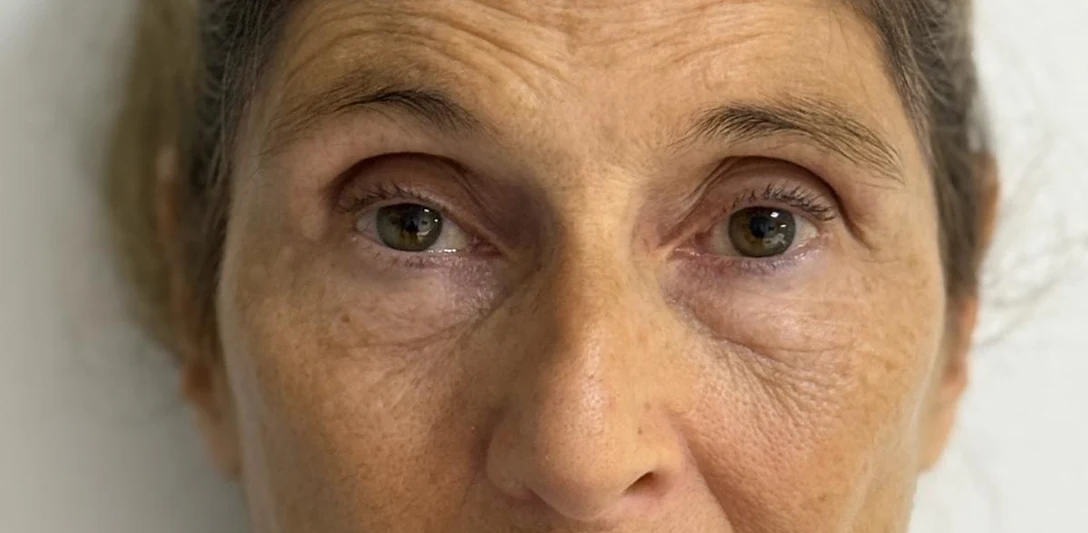
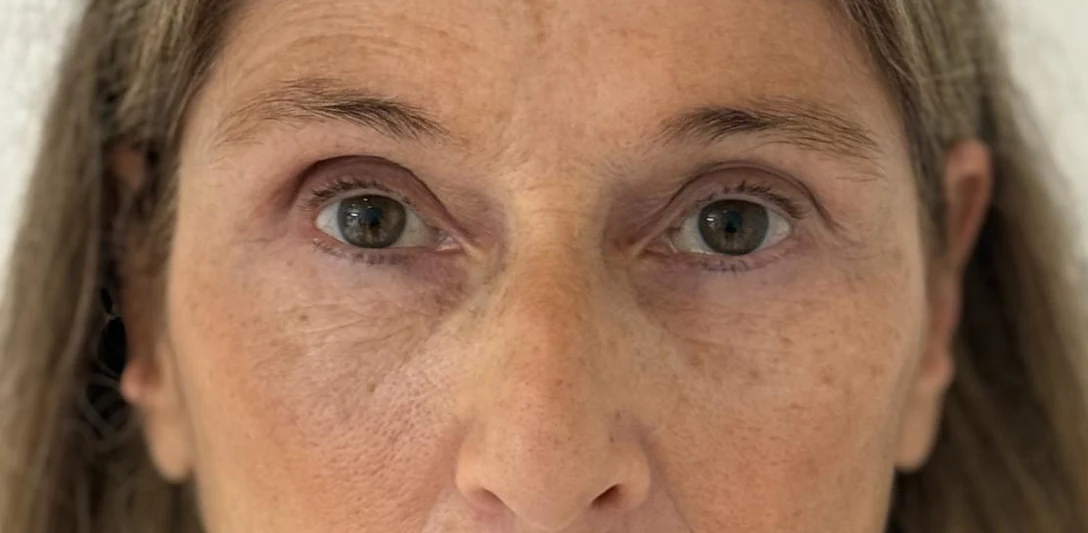
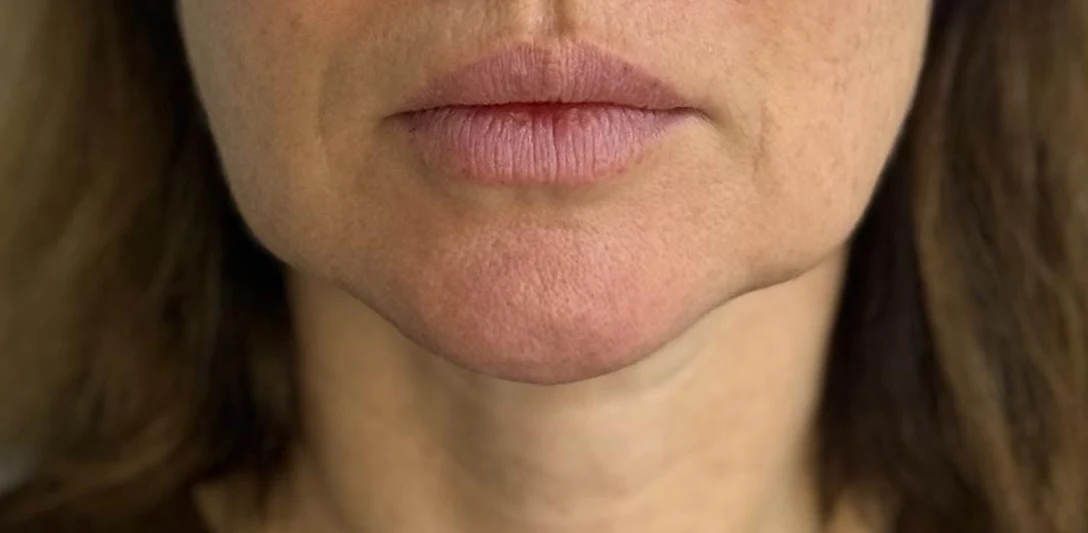
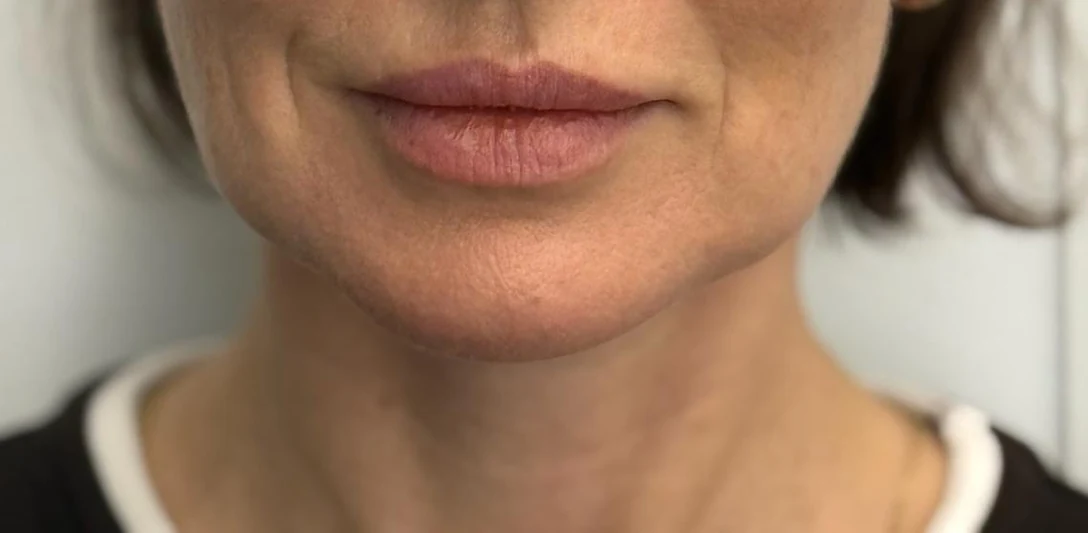
Photographs published with the patients’ written consent.
Written and reviewed by Dr Bernard Hayot, ophthalmologist, RPPS 10003926226.
What is fat used for in aesthetic medicine?
The use of fat in aesthetic medicine is a relatively recent advance, which has developed particularly in the 21st century. Far from the negative image of fat, which we often seek to remove through all kinds of diets and procedures, it is now possible to use this element for its aesthetic properties. Medical research has shown that adipose tissue contains stem cells, explaining its aesthetic and therapeutic potential.
In aesthetic medicine, fat is used in the form of micro-injections to restore facial volumes and improve skin quality, making it one of the most effective anti-ageing treatments. Rich in growth factors, it enables:
- Fill in dark circles, cheekbones and other areas of the face hollowed out by ageing
- Stimulate skin regeneration to rejuvenate skin by improving firmness and elasticity
Its effects are similar to those ofhyaluronic acid, and fat may even have the advantage over hyaluronic acid. Although it is safe, hyaluronic acid remains a synthetic substance, which integrates less well with the tissues than an organic element.
How does micro-injection of fat into the body work?
Microinjection of fat, known as the nanofat or microfat techniqueconsists of harvesting and reinjecting the patient’s own fat to rejuvenate the skin: this is known as autologous fat.
The fat is removed under local anaesthetic using a gentle liposuction technique, from areas where it tends to accumulate, such as the thighs and the inner knees. The adipose tissue thus removed then undergoes an advanced purification process, the aim being to eliminate the adipocytes and retain only the stem cells and growth factors. These cells are at the heart of the treatment: it is thanks to them that skin ageing can be treated in depth, by acting on its cause.
Micro-injection is therefore the third step. The preparation obtained from the processing of the fat is extremely fluid, which allows it to be injected with cannulas or very fine needles into the area to be treated.
In some cases, fat micro-injection can be performed alongside other aesthetic procedures, to enhance the results. It can be combined, for example, with blepharoplasty (eyelid rejuvenation surgery) or radiofrequency techniques to correct sagging skin.
What areas can be treated with fat injections?
Micro-injection of fat is most often indicated to improve facial volumes and restore younger-looking skin. It can therefore be used to treat:
- Hollow circles
- Cheeks and cheekbones
- Temples
- Wrinkles around the eyes (crow’s feet)
- Upper lip wrinkles (barcode lines)
- Fine facial wrinkles
- Nasolabial folds
For some patients, nanofat can be injected into the body to treat sagging skin or reduce unsightly wrinkles. Fat injection can also be used to correct:
- Neck and décolleté wrinkles
- Wrinkled hands
- Wrinkled skin on knees and arms
Before a fat micro-injection, a dedicated aesthetic consultation allows the doctor to examine the area you are concerned about and to assess whether the treatment is feasible.
This page is for information. It does not replace a consultation: every situation is judged on examination.