
How lipofilling works and its applications
Before / after
Real cases from the practice, unretouched, framed on the treated area only. Each result is individual and does not predict yours.
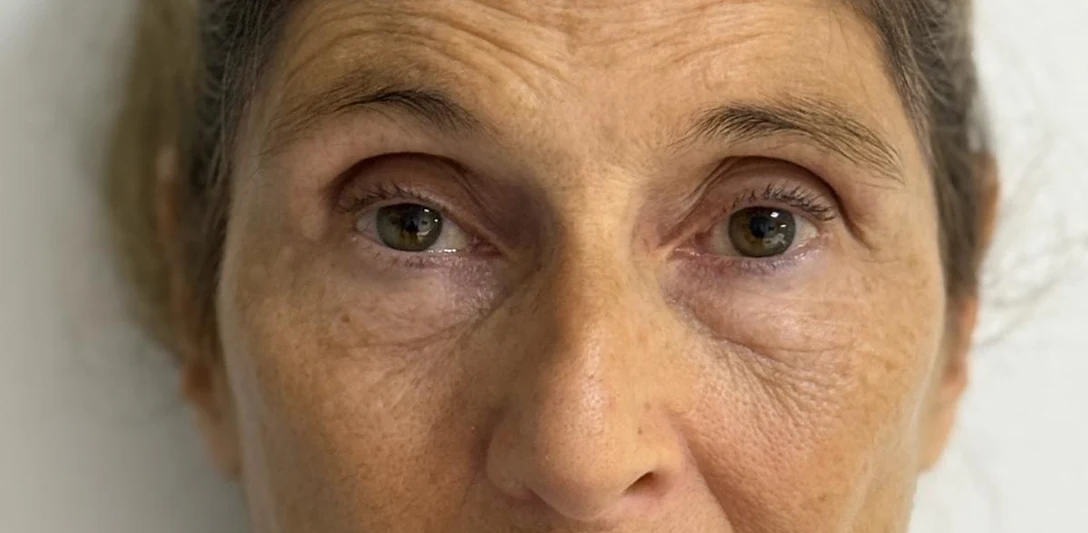
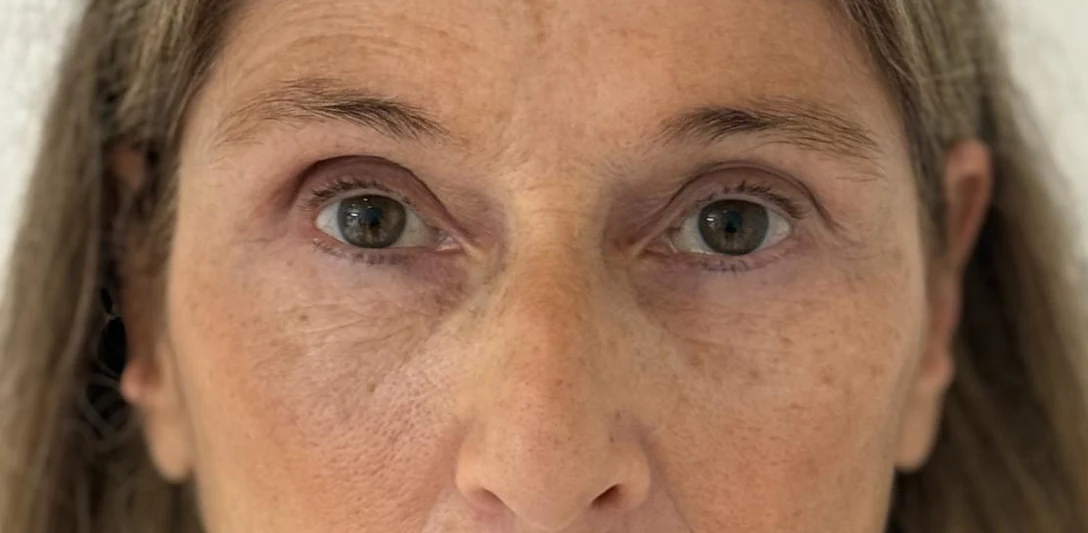
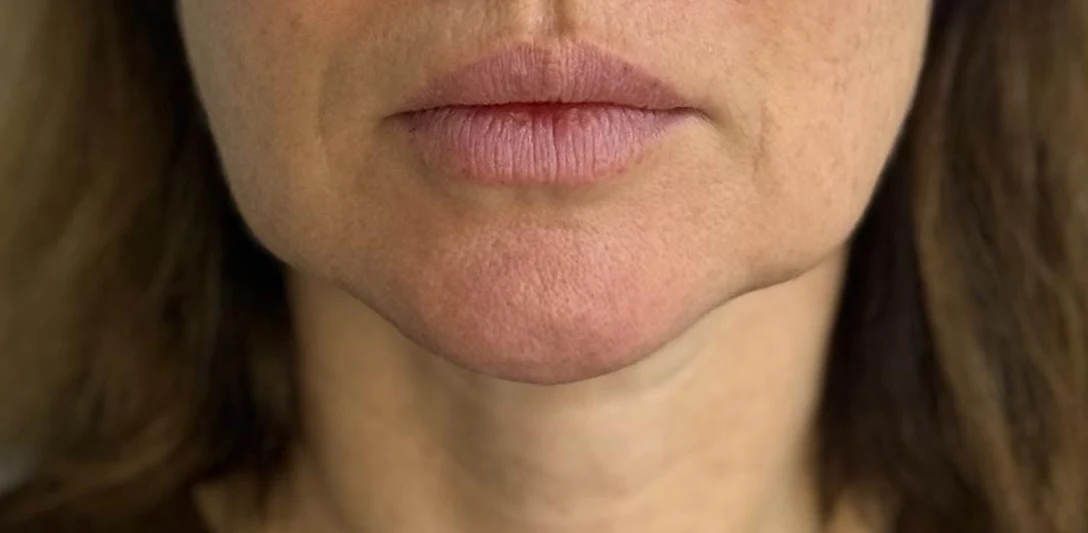
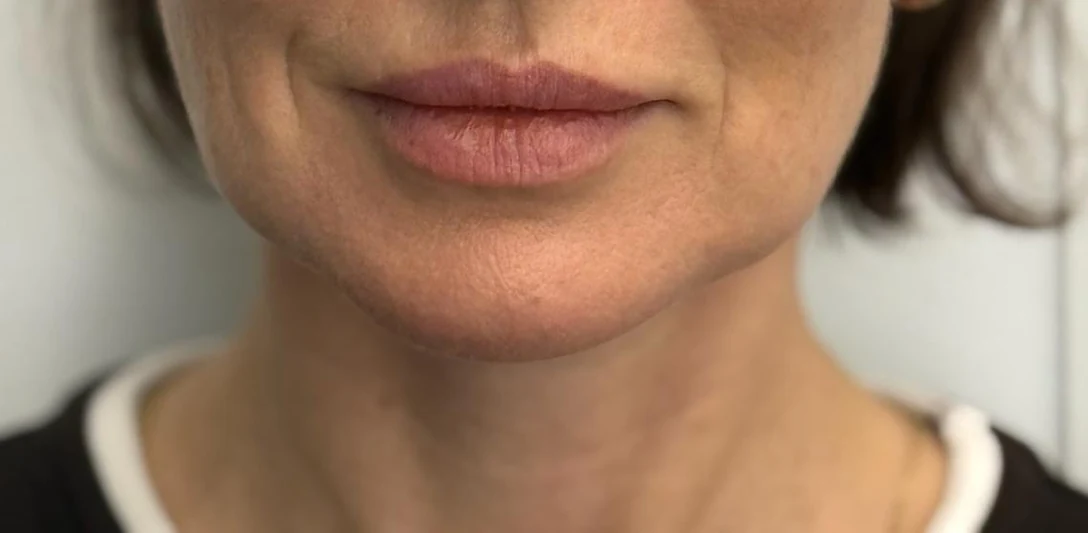
Photographs published with the patients’ written consent.
Written and reviewed by Dr Bernard Hayot, ophthalmologist, RPPS 10003926226.
Lipofilling, a cutting-edge aesthetic technique
Skin ageing is a multifactorial process, linked in particular to thinning of the skin, a fall in collagen and elastin production, and a reduction in the hyaluronic acid naturally present in the body. Various cosmetic surgery techniques can be used to treat and prevent this ageing of the skin.
A genuine breakthrough in aesthetics, lipofilling addresses a sign of ageing long overlooked by specialists: the loss of fat volume. It goes by several names: lipostructure, or autologous fat transfer (taken from the patient).
The advantage of lipofilling is that no foreign material is used, since the fat comes from the patient. There is therefore a very limited risk of allergy or rejection.
Lipofilling: how does it work?
Lipofilling is performed in several stages.
Step 1: liposuction
The first stage of lipostructure involves the liposuction of excess fat from the patient’s body (hips, thighs, knees and so on).
Step 2: purifying the harvested fat
Once the fat has been harvested, it is rinsed and cleaned on a filter, then broken up by hand until it becomes ultra-fluid. This step is essential to achieve the best possible result.
Step 3: fat transfer
The third step is to transfer the fat into the target tissues using microcannulas. Dr Hayot uses his own method to distribute the volume correctly and ensure that the grafted fat is well vascularised.
The different applications of lipostructure
While lipofilling can be applied to many parts of the body (breasts, buttocks and others) for both reconstructive and aesthetic purposes, Dr Hayot specialises in facial lipofilling and eyelid microlipofilling (addition blepharoplasty). He offers tailor-made lipofilling, adapted to the indications of each of his patients.
Volumising lipofilling
Volumising lipofilling involves adding fat taken from the patient’s own body to restore the facial volumes that melt away with age (dark circles, temples, cheeks, cheekbones and so on). This type of lipofilling is most often performed as part of a jawline and neck lift, or of eyelid surgery (addition blepharoplasty).
Fat is harvested from the patient’s abdomen, knee or thighs using a liposuction cannula. It is then filtered and broken up so that only the finest, highest-quality adipocytes are retained.
Anti-wrinkle fat injections
Anti-wrinkle lipofilling is performed in the nasolabial folds, the wrinkles around the mouth or the crow’s feet. The fat is injected very sparingly and superficially, so that wrinkles are filled effectively, discreetly and naturally.
As with the previous method, a small quantity of fat is harvested with a microcannula from an area where the fat is dense and of good quality, such as the abdomen or the inner knee. It is then purified before being reinjected into the predefined areas.
Nano lipofilling
Nano-lipofilling, also known as “nano-lipostructure”, is an innovative surgical method based on the injection of stem cells and growth factors into the dermis. Beyond a purely aesthetic effect, these cells can help to regenerate ageing tissue, and so bring a lasting improvement in skin texture, quality and radiance.
Technically, nano-lipofilling is similar to mesotherapy, except that no synthetic product is introduced into the patient’s body.
This page is for information. It does not replace a consultation: every situation is judged on examination.