
Laser treatment for under-eye bags: prices and results
Written and reviewed by Dr Bernard Hayot, ophthalmologist, RPPS 10003926226.
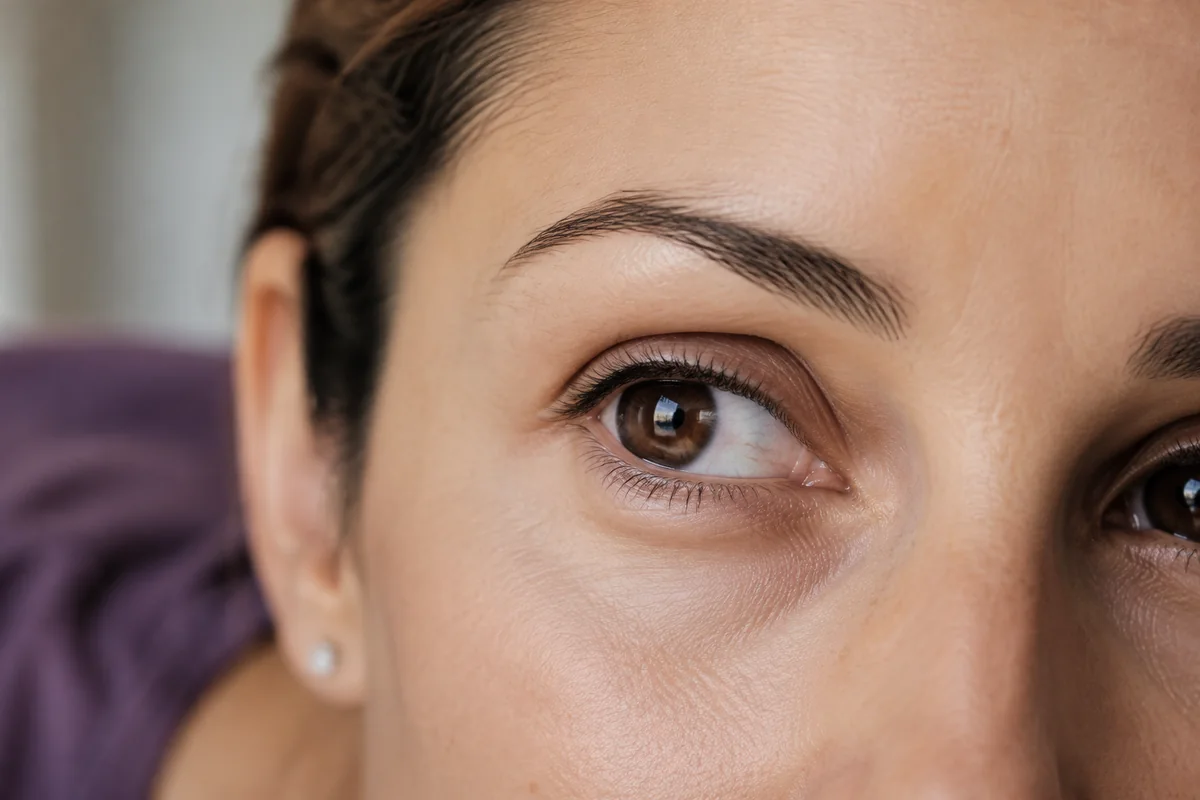
Laser treatment for under-eye bags: when you look in the mirror in the morning, these bags under your eyes reflect an image of fatigue that you do not necessarily feel.
Laser treatment for under-eye bags is today an elegant solution for those who wish to regain a fresh, dynamic gaze without undergoing invasive surgery.
We understand that the idea of a laser treatment for under-eye bags may raise legitimate questions. What does it cost? What results can be expected? How many sessions will be needed? These concerns are perfectly normal, and it is precisely in order to answer them clearly that we take the time to see you for a preliminary consultation.
The laser we use allows a targeted approach to the fatty deposits responsible for the “bag” effect, while stimulating collagen production for firmer, smoother skin. Unlike invasive removal of the bags, this technique relies on controlled light energy that works deep down without damaging the surrounding tissues.
At our Paris practice, every patient benefits from a personalised examination of the eye area. We assess the nature of the bags, whether fatty, fluid-related or due to skin laxity, in order to determine whether laser treatment for under-eye bags is the best option or whether a combined approach would be more suitable.
The cost of laser treatment for under-eye bags depends strictly on your individual situation and is set out in the personalised quotation given at your consultation. Our aim is simple: to give you the keys to understanding your treatment, its realistic benefits and its limits, so that you can make an informed decision in complete confidence.
Under-eye bags: why natural solutions are no longer enough
You have tried cold compresses, soothing gels, creams, and perhaps even old family remedies with bicarbonate of soda or herbal teas.
Yet the bags under your eyes persist, or even get worse over the months. This is more than frustrating, and above all it is normal. However appealing they may be, natural solutions cannot treat the root cause of the problem.
The medical causes of under-eye bags
Under-eye bags are not simply a matter of fatigue or temporary water retention. In most cases, they result from the protrusion of the fatty tissue located under the eye, known as the orbital fat pad.
This phenomenon is often linked to ageing: over time, the orbital septum that holds the fat in place gradually weakens, allowing the fat to slide downwards. Heredity also plays a determining part: if your parents have pronounced bags, you are statistically more likely to develop them yourself, sometimes as early as your thirties. Contrary to what one might think, salt, lack of sleep and allergies only make existing bags look worse; they are not the primary cause.
Why bicarbonate of soda and herbal teas are ineffective
Natural remedies such as bicarbonate of soda, chamomile infusions or cucumber slices can hydrate and decongest the skin temporarily. They act only on the surface, however, and only for a few minutes.
These solutions cannot in any way address persistent fat or tighten deep tissue. Applying bicarbonate of soda under the eyes can even irritate the thin, sensitive skin around the eye. Commercial anti-ageing creams, for their part, improve skin quality but do not significantly reduce the volume of the bags.
When to consult an eye area specialist
If your under-eye bags persist despite a faultless lifestyle and appropriate skincare, it is time to consider a medical treatment. An oculoplastic surgeon can assess the nature of your bags precisely and guide you towards the solutions best suited to your case. Laser treatment for under-eye bags is one of the particularly effective options for treating the problem durably.
Laser treatment for under-eye bags regenerates the skin in depth and significantly reduces the residual volume, with results that last several years. Its cost depends on the technique used and on the reputation of the practitioner, but it represents a durable investment compared with expensive creams renewed indefinitely. At the consultation, the oculoplastic surgeon will explain the exact price after a personalised examination of your eye area.
Laser for under-eye bags: how it works and its indications
Laser treatment for under-eye bags is a modern approach that increasingly appeals to patients looking for a solution less invasive than conventional surgery.
The technique uses concentrated light energy to act on the deep tissues of the lower eyelid, gradually reducing the swelling characteristic of under-eye bags. The principle relies on controlled thermal stimulation, which causes the collagen fibres to retract and tightens the delicate skin beneath the eyes.
How the laser treats under-eye bags
The laser penetrates the deep layers of the skin without damaging the surface. This energy causes an immediate contraction of the connective tissue, which helps to tighten the lax skin beneath the eyes.
At the same time, the heat generated stimulates the body’s natural production of collagen, a process that continues for several weeks after the session. Results generally appear gradually and become optimal over two to three months. Most patients notice a visible improvement as early as the first week, with a progressive reduction in the volume of the bags.
Types of laser used in oculoplasty
Several types of laser can be used, depending on the nature of the bags and on the condition of the patient’s skin. The fractional CO2 laser remains one of the most widely used, thanks to its ability to treat both the surface and the deeper layers of the skin.
The Erbium:YAG laser is an interesting alternative for darker or thinner skin, as it carries less risk of residual pigmentation. The Nd:YAG laser, for its part, penetrates more deeply and is particularly effective on fatty or pronounced bags. Your oculoplastic surgeon will assess your situation at the consultation in order to determine the laser best suited to your case.
Differences from surgical blepharoplasty
Unlike blepharoplasty, which surgically removes excess fat and skin, laser treatment works by thermal remodelling, without excision.
This fundamental difference means a considerably simpler recovery: with no sutures, there are no stitches to remove and minimal risk of visible scarring. Laser treatment is particularly suited to mild to moderate bags, while surgery remains preferable in severe cases with a significant excess of skin. The choice between the two approaches depends on your clinical examination and on your own expectations.
Price and cost of laser treatment for under-eye bags in 2024
The question of price is a legitimate one, and it is natural to want to know what to expect before committing to a treatment. The cost of laser treatment for under-eye bags varies according to several factors, which we set out together in order to help you see things more clearly.
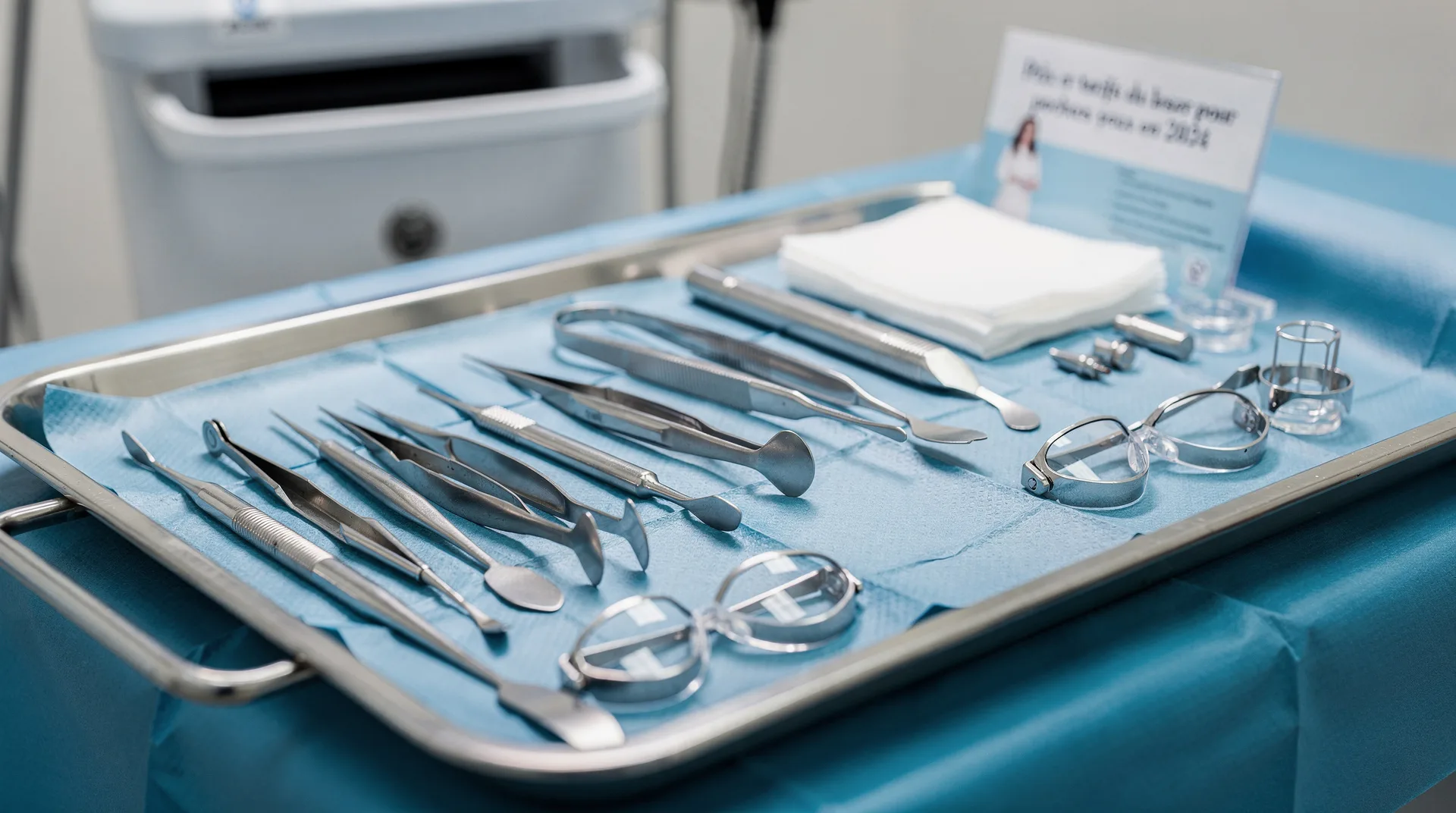
Actual price range: un montant précisé sur devisto un montant précisé sur devis
This range may seem wide, but it reflects the reality of practice: every patient presents a unique situation, and the final price depends on the laser technique used, the extent of the bags to be treated and the number of sessions required. Some practices offer introductory rates for a first session, but beware: the total price of the complete treatment is the real indicator to consider. At your initial consultation, the oculoplastic surgeon will provide a personalised quotation matching your situation precisely.
What is included in the cost
When you receive a quotation for laser treatment of under-eye bags, check that it includes several essential items. The initial consultation should normally be part of the total price, as should every treatment session.
The cost also includes the anaesthetic cream applied before the session for your comfort, the aftercare products to be used in the following days, and medical follow-up for a few weeks after the procedure. Be wary of quotations that seem abnormally low: they may hide extra charges or point to the use of less effective equipment. A transparent cost systematically includes the number of sessions planned and the possibility of touch-ups.
Cost per session and number of sessions required
Laser treatment for under-eye bags typically requires between 2 and 4 sessions to achieve a visible and lasting result.
Fractional lasers, often preferred for the precise treatment of bags, represent a greater investment but give more durable results. Some clinics offer favourable packages when the whole treatment is booked in advance, which can reduce the total cost by 10 to 20 per cent. Do not hesitate to ask for a payment schedule if the total amount represents a significant financial burden for you.
Factors that influence the price of laser treatment
The cost of laser treatment for under-eye bags depends on several factors, which your practitioner assesses at the initial consultation. Understanding them helps you to anticipate the actual cost and to compare quotations in full knowledge of the facts.
Type of laser and technology used
The laser technology used is the main factor influencing the cost. Some devices use a fractional CO2 laser, which is particularly effective for treating and improving the skin texture of the eye contour. Other practitioners prefer an Erbium laser or tailored intense pulsed light.
Each technology has its own advantages: some lasers work more superficially, while others penetrate more deeply into the tissues. The choice of laser depends on the nature of your bags, the elasticity of your skin and your aesthetic goals. The most recent devices, which offer greater precision and faster recovery, represent a greater investment for the practice, and this is naturally reflected in the price quoted.
The practitioner’s experience and location
The experience of the oculoplastic surgeon has a direct influence on the price of laser treatment. A practitioner with specific training in eyelid and oculoplastic surgery and extensive experience of laser treatment for under-eye bags typically charges higher fees.
This difference reflects their expertise, their mastery of the laser parameters and their ability to tailor the treatment to each patient. Geographical location also plays a part: fees in major cities such as Paris or Lyon are generally higher than in regional practices, in particular because of the higher running costs of the clinics.
Complexity of the case and condition of the tissues
Protocols, dosages and fees are never published here: they are determined at the consultation, after examination, and provided in writing in the quotation.
This page is for information. It does not replace a consultation: every situation is judged on examination.